
1. Source Origin & Identity
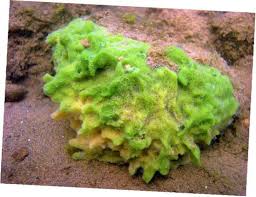
Remedy Name: Badiaga(also spelled Badaga)
Type: Homeopathic nosode
Source: Derived from morbid pathological material collected from disease conditions prevalent among the Badiaga tribe of the Nilgiri Hills, South India.
Kingdom: Biological (pathological origin)
Part Used: Purified pathological material, rendered inert through homeopathic processing.
2. Extraction & Preparation (Homeopathic Methodology)
The original source material is subjected to rigorous homeopathic pharmacopeial procedures, including:
- Sterilization
- Trituration with lactose
- Serial dilution
- Succussion
These steps ensure biological safety, rendering the final remedy inert, non-toxic, and suitable for deep constitutional action.
Safety Note: Crude pathological material is dangerous. Only homeopathic Badiaga, manufactured by licensed professionals, is safe for use.
3. Core Sphere of Action
Badaga acts deeply on:
- Overall constitutional vitality
- Digestive system function
- Nervous system tone
- Immune resistance
Central Theme: Chronic, systemic weakness characterized by digestive debility, low immunity, and prolonged recovery.
4. Key Repertory Rubrics for Badiaga
Mind:
- Mental dullness
- Poor concentration
- Indifference
- Lack of motivation
Generalities:
- Chronic fatigue
- Low resistance to illness
- Slow convalescence
- Lack of stamina
Digestive System:
- Weak digestion
- Flatulence
- Poor assimilation of food
5. Comparative Remedies (Differentiation Table)
| Feature | Badaga | Bacillinum | Calcarea carb | Sulphur |
|---|---|---|---|---|
| Vitality | Very low | Low | Low | Variable |
| Digestion | Weak | Variable | Slow | Irregular |
| Recovery | Slow | Slow | Very slow | Variable |
| Heat | Neutral | Neutral | Chilly | Hot |
6. Clinical Insights
Badaga is especially indicated for cases where chronic constitutional weakness persists despite appropriate care. These patients often report ongoing fatigue, digestive inefficiency, and low resistance to illness, with no clear organ-specific pathology.
A key observation is the slow, lingering nature of their illness: symptoms neither escalate rapidly nor resolve completely. Mental dullness, apathy, and physical depletion are common, with frequent relapses after minor infections. Badaga is most beneficial when the clinical picture is one of general debility, not dominated by any single organ system.
As a long-term constitutional remedy, Badaga may gradually restore assimilation, improve stamina, and enhance immune response. Progress is typically slow but steady, requiring patience and regular follow-up.
- If tubercular history is present: Consider Bacillinum
- If obesity and glandular involvement predominate: Consider Calcarea carbonica
7. Uses in Homeopathy
Common (Functional) Conditions:
- Chronic fatigue
- Functional dyspepsia
- General weakness
Chronic Ailments:
- Constitutional debility
- Recurrent minor infections
- Poor assimilation
- Slow convalescence
Severe Conditions (Adjunctive only):
- Profound weakness associated with underlying systemic disease
Always rule out anemia, endocrine disorders, and chronic infections before considering Badaga.
8. Constitutional Portrait (Type Most Affected)
- Weak vitality from early life
- Poor digestive assimilation
- Low stamina
- Passive, indifferent temperament
Constitutional Action:
Badaga is suited to cases of fundamental vitality depletion affecting the whole constitution, not just isolated symptoms.
9. Potency & Practical Usage
| Potency | Pack Size | Clinical Role |
|---|---|---|
| 30C | 100 ml | Chronic weakness, digestive debility |
| 200C | 100 ml | Deep constitutional exhaustion |
Dosage Guidance:
Lower potencies may be repeated cautiously. Higher potencies should be used infrequently, with extended observation between doses.
10. Effects in Children & Seniors
Children:
- Failure to thrive
- Poor appetite
- Recurrent minor illnesses
Seniors:
- Persistent weakness
- Digestive complaints
- Slow convalescence
Medical supervision is essential for both groups.
11. Documented Clinical Applications (References)
Badaga is referenced in Indian homeopathic literature as a constitutional nosode for:
- Chronic debility
- Digestive insufficiency
- Weak immunity
It is often compared with Bacillinum, Calcarea carbonica, and Sulphur for these indications.
12. Sample Repertorization Chart
| Rubric | Badaga | Bacillinum | Calc carb | Sulphur |
|---|---|---|---|---|
| Chronic weakness | 3 | 3 | 2 | 1 |
| Poor digestion | 3 | 1 | 2 | 2 |
| Slow recovery | 3 | 3 | 3 | 1 |
| Mental dullness | 2 | 1 | 1 | 1 |
| Low immunity | 3 | 3 | 2 | 2 |
Badiaga is best suited for cases where chronic constitutional weakness and poor assimilation dominate the clinical picture. With patient monitoring, lifestyle support, and careful potency selection, it can gradually improve vitality, immunity, and overall functional recovery over time.