
1. Plant Origin
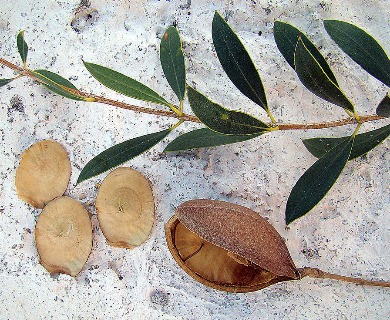
- Botanical Name: Aspidosperma quebracho-blanco
- Family: Apocynaceae
- Common Names: Quebracho Blanco, White Quebracho
- Habitat: Native to South America-Argentina, Bolivia, Paraguay.
- Part Used: Dried bark of the tree.
2. Extraction & Preparation
- The dried bark is powdered, then macerated in alcohol to produce the mother tincture (Q).
- This tincture is serially diluted and succussed (potentized) according to classical homeopathic pharmacopeia to create centesimal potencies.
- Safety Note: The crude plant extract has strong respiratory effects. Only potentized (homeopathic) doses are used therapeutically.
3. Core Sphere of Action
- Primary Action: Respiratory system, pulmonary circulation, heart–lung interaction, and blood oxygenation.
- Central Theme: Dyspnea arising from poor oxygenation (not airway obstruction).
4. Key Repertory Rubrics
- Respiration: Difficult breathing, shortness of breath on exertion, dyspnea from cardiac or pulmonary weakness.
- Chest: Oppression, air hunger.
- Generalities: Weakness with breathlessness, better in open air.
5. Comparative Remedy Differentiation
| Feature | Aspidosperma | Arsenicum Alb | Carbo veg | Lobelia |
|---|---|---|---|---|
| Cause of dyspnea | Oxygen deficit | Anxiety, collapse | Venous stasis | Spasm |
| Anxiety | Minimal | Intense | Minimal | Moderate |
| Cyanosis | Possible | Rare | Marked | Rare |
| Relief | Open air | Warmth | Fresh air, fanning | Vomiting |
6. Clinical Insights
Aspidosperma is valuable in cases of respiratory distress where oxygenation is insufficient despite open airways-such as cardiac asthma, emphysema, or advanced pulmonary disease. The hallmark is a desire for air without panic: the dyspnea is exhausting, not frightening. It is commonly used as supportive therapy in chronic lung and heart conditions for improving breathing comfort.
- If anxiety dominates: consider Arsenicum Album
- If collapse/coldness dominate: consider Carbo vegetabilis
7. Indications in Homeopathy
- Subacute/Chronic: Breathlessness on exertion, dyspnea in elderly, respiratory weakness, emphysema, COPD, cardiac asthma, pulmonary insufficiency.
- Extreme/Adjunctive: Severe respiratory failure, advanced heart–lung disease (as a supportive remedy only; not a substitute for medical care).
8. Constitutional Portrait
- Typical Patient: Elderly or debilitated, with chronic cardiac or pulmonary disease, low vitality, breathlessness, and little emotional reactivity. Aspidosperma supports respiratory function when oxygen exchange falters.
9. Potency & Practical Usage
| Potency | Pack Size | Clinical Role |
|---|---|---|
| 6C | 100 ml | Supportive relief in chronic dyspnea |
- Dosage: Low potencies may be given cautiously and repeated as needed. Monitor response; discontinue if ineffective.
10. Special Considerations: Children & Seniors
- Children: Rarely indicated; use only with medical supervision.
- Seniors: Particularly helpful for chronic breathlessness and cardiac-pulmonary weakness.
11. Literature & Clinical References
Classical texts (Clarke, Boericke) mention Aspidosperma as a palliative for dyspnea due to pulmonary insufficiency, cardiac asthma, and emphysema.
12. High-Yield Repertory Rubrics
- Respiration: difficult
- Chest: oppression
- Dyspnea: on exertion
- Generalities: desire for air
13. Main Differentials
- Arsenicum Album: Anxiety-driven dyspnea
- Carbo vegetabilis: Dyspnea from venous collapse
- Lobelia inflata: Spasmodic asthma
14. Clinical Decision Tips
- Choose Aspidosperma for dyspnea due to oxygen deficit, minimal anxiety, chronic cardiac/lung disease, and improvement in open air.
15. Sample Comparative Chart
| Rubric | Aspidosperma | Ars Alb | Carbo veg | Lobelia |
|---|---|---|---|---|
| Dyspnea | 3 | 3 | 2 | 3 |
| Air hunger | 3 | 2 | 2 | 2 |
| Anxiety | 1 | 3 | 1 | 2 |
| Cyanosis | 2 | 1 | 3 | 1 |
| Better open air | 3 | 1 | 3 | 2 |
Aspidosperma remains a valuable supportive homeopathic remedy for chronic respiratory insufficiency, improving breathing comfort when oxygen exchange is impaired without prominent anxiety.
Aspidosperma should be viewed primarily as a supportive respiratory remedy rather than a curative agent in advanced pathology. Its greatest value lies in improving the subjective sense of breathlessness and reducing fatigue associated with chronic cardiopulmonary insufficiency. When used judiciously, it may help enhance functional capacity and comfort in patients with long-standing respiratory compromise. Continuous clinical monitoring is essential to evaluate response, adjust supportive care, and ensure that conventional medical treatment is not delayed. Integrating lifestyle measures such as breathing exercises, graded activity, and appropriate medical supervision further supports stable respiratory function and overall quality of life.