
1. Plant Origin (Source & Identity)
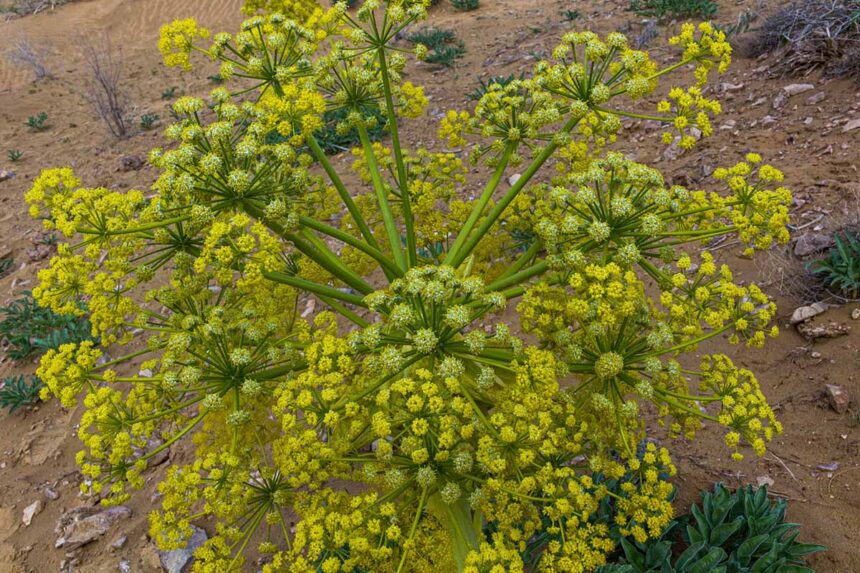
- Botanical name: Ferula asafoetida
- Family: Apiaceae (Umbelliferae)
- Common names: Asafoetida, Devil’s Dung, Hing
- Natural habitat: Iran, Afghanistan, Central Asia
- Part used: Gum–resin obtained from the root
2. Extraction & Preparation (Homeopathic Methodology)
The gum–resin is collected by making incisions in the roots of mature plants. The resin is dried and triturated with lactose to create the mother substance. Serial dilution and succussion, following classical homeopathic pharmacopeial standards, yield centesimal potencies.
Safety note: Crude Asafoetida has a strong odor and pronounced physiological effects. Only homeopathically prepared potencies are used medicinally.
3. Core Sphere of Action
Asafoetida primarily affects the:
- Digestive system
- Nervous system
- Female reproductive system
- Mucous membranes
Central Theme:
Extreme flatulence with nervous hypersensitivity and contradictory symptoms.
4. Key Repertory Rubrics
Mind
- Nervous excitability
- Hypochondriasis
- Hysteria with digestive complaints
Stomach & Abdomen
- Excessive flatulence
- Sensation of a ball rising from stomach to throat
- Distension relieved by belching
Female
- Hysterical symptoms linked to uterine disorder
- Bearing-down sensation
5. Comparative Remedies (Differentiation)
| Feature | Asafoetida | Lycopodium | Nux vomica | Pulsatilla |
|---|---|---|---|---|
| Gas | Extreme, noisy | Moderate | Cramping | Mild |
| Sensitivity | Nervous, hysterical | Confident | Irritable | Emotional |
| Belching | Offensive | Sour | Bitter | Tasteless |
| Modalities | Better pressure | Worse 4–8 pm | Worse stress | Better fresh air |
6. Clinical Insights
Asafoetida is especially valuable for patients with severe flatulence and pronounced nervous sensitivity. Digestive symptoms tend to be dramatic, with marked distension, offensive belching, and a sensation of upward pressure (sometimes described as a lump rising toward the throat-globus hystericus).
A key clinical insight is the link between digestive disturbance and emotional or hysterical symptoms. Patients may be anxious, hypersensitive, or emotionally reactive, often worsening during stress or emotional excitement.
- If gas worsens in the evening with liver involvement – consider Lycopodium
- If spasms follow anger or overwork – consider Nux vomica
7. Uses in Homeopathy
Common (Acute) Ailments
- Acute flatulent colic
- Hysterical digestive upset
- Nervous dyspepsia
- Spasmodic abdominal pain
Chronic Ailments
- Chronic flatulence
- Hypochondriacal digestive disorders
- Hysteria with digestive symptoms
- Long-standing nervous dyspepsia
Extreme Ailments (Adjunctive only)
- Severe abdominal distension
- Functional intestinal obstruction
Caution: Always rule out organic pathology before use.
8. Constitutional Portrait (Homeopathic Type Most Affected)
- Nervous, sensitive individuals
- Emotionally reactive patients
- Digestive symptoms predominate emotional state
- Symptoms improve with pressure
Constitutional action:
Digestive dysfunction leads to nervous overstimulation and emotional imbalance.
9. Potency and Practical Usage
| Potency | Pack Size | Clinical Role |
|---|---|---|
| 30C | 100 ml | Acute flatulence, nervous dyspepsia |
| 200C | 100 ml | Chronic hysterical digestive disorders |
Dosage guidance:
- Lower potency may be repeated cautiously in acute episodes.
- Higher potency is given infrequently, with careful observation.
10. Effects/Considerations in Children and Seniors
Children
- Colic with flatulence
- Nervous digestive upset
- (Medical supervision advised)
Seniors
- Chronic gas
- Digestive discomfort with anxiety
- (Rule out obstruction or malignancy)
11. Documented Clinical Applications
Classical authorities (Hahnemann, Clarke, Boericke) describe Asafoetida for:
- Flatulent dyspepsia
- Hysterical digestive disorders
- Globus hystericus
Traditionally used where digestive and nervous symptoms coexist strongly.
12. Key Repertory Rubrics (High-Yield)
- Abdomen: Flatulence, excessive
- Stomach: Globus sensation
- Mind: Hysteria
- Abdomen: Distension relieved by belching
- Generalities: Better pressure
13. Main Differentials
- Lycopodium: Liver-related flatulence
- Nux vomica: Spasms from stress
- Pulsatilla: Emotional digestion
14. Clinical Decision Tips
Select Asafoetida when:
- Flatulence is extreme and offensive
- Nervous sensitivity is prominent
- Digestive symptoms drive emotional distress
- Pressure relieves abdominal discomfort
15. Sample Repertorization Chart
| Rubric | Asafoetida | Lycopodium | Nux vom | Puls |
|---|---|---|---|---|
| Excessive flatulence | 3 | 2 | 2 | 1 |
| Nervous hypersensitivity | 3 | 1 | 2 | 2 |
| Globus sensation | 3 | 1 | 0 | 2 |
| Better pressure | 3 | 1 | 1 | 0 |
| Hysterical symptoms | 3 | 0 | 1 | 2 |
Asafoetida remains an important homeopathic remedy where digestive dysfunction and nervous sensitivity coexist. Careful observation and follow-up help ensure sustained relief and prevent recurrence.
Long-term outcomes improve when dietary habits, emotional triggers, and stress factors are addressed alongside remedy selection, supporting stable digestion and overall nervous balance.