
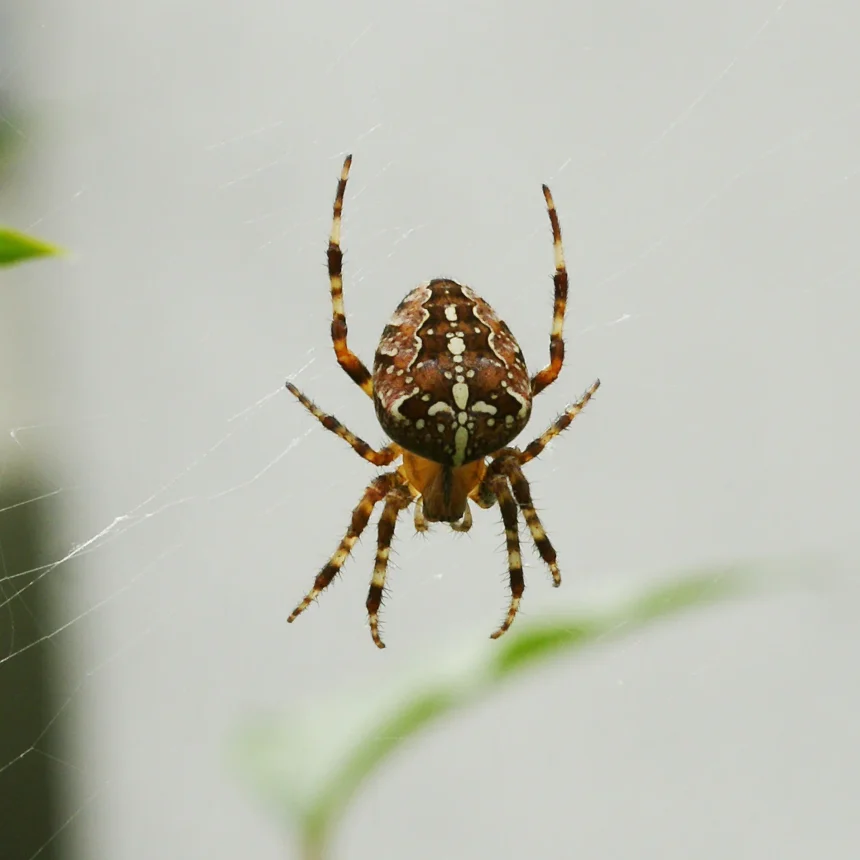
1. Source Origin & Identity
- Remedy Name: Aranea diadema
- Zoological Source: European garden spider (Araneus diadematus)
- Kingdom: Animal (Arachnida)
- Habitat: Gardens, hedges, and wooded areas across Europe and Asia
- Part Used: Whole spider
2. Preparation for Homeopathic Use
- Manufacture: The entire spider is processed per homeopathic pharmacopeial standards, then serially diluted and succussed (potentized), typically on the C scale.
- Safety: Crude spider venom is toxic, but homeopathic potencies are highly diluted and inert. Safe when prepared by licensed pharmacies.
3. Core Remedy Picture (Keynotes)
Essence
- Marked periodicity
- Sensitivity to damp and cold
- Neuralgic/febrile complaints at fixed intervals
Mental-Emotional
- Anxiety before attacks
- Nervous anticipation
- Restlessness during periodic suffering
- Heightened sensitivity to environmental changes
Physical Tendencies
- Intermittent fevers with pronounced coldness
- Chilliness even in warm surroundings
- Neuralgic pains recurring regularly
- Headaches/migraines with a periodic pattern
- Symptoms aggravated by damp, cold weather
4. Therapeutic Uses in Homeopathy
A. Common (Acute) Ailments
- Intermittent fever with chills
- Periodic headaches/migraines
- Neuralgia with regular recurrence
- Cold sensitivity out of proportion to the climate
B. Chronic Ailments
- Chronic intermittent fevers
- Periodic neuralgia
- Recurrent headaches on a fixed schedule
- Cold-aggravated rheumatic pain
C. Severe Presentations (Adjunctive Only)
- Severe malarial-type fevers
- Recurrent febrile exhaustion
Always rule out infections and provide medical treatment.
5. Constitutional Profile – Who Benefits?
- Individuals extremely sensitive to cold and damp
- Patients with strongly periodic symptoms
- Nervous systems that react in cycles, not continuously
How It Affects Them:
The nervous and vascular systems respond abnormally to environmental triggers, leading to cyclical illness patterns-especially chills and neuralgia.
6. Potencies & Practical Use
| Potency | Typical Use |
|---|---|
| 6C / 30C | Periodic headaches, neuralgia |
| 200C | Deep-seated intermittent fever patterns |
Repetition:
- Dose before expected attack
- Avoid continuous dosing after periodicity breaks
- Observe for lengthening symptom-free intervals
7. Use in Children & Seniors
Children:
- Periodic fever episodes
- Cold sensitivity
- Medical supervision essential
Seniors:
- Neuralgic pains worsened by cold
- Recurrent chills
- Assess circulatory health
8. Classical References & Clinical Use
Cited by Hahnemann, Clarke, and Boericke for:
- Periodic fevers
- Chill predominance
- Cold hypersensitivity
Often compared with China officinalis, Natrum muriaticum, and Eupatorium perfoliatum.
9. Key Repertory Rubrics
- Fever – intermittent
- Chill – predominant
- Headache – periodic
- Neuralgia – recurring
- Generalities – worse damp cold
10. Comparative Repertorization Chart
| Rubric | Aranea | China | Nat mur | Eupatorium |
|---|---|---|---|---|
| Intermittent fever | 3 | 3 | 2 | 3 |
| Chill predominance | 3 | 2 | 2 | 2 |
| Periodicity | 3 | 3 | 2 | 2 |
| Worse damp cold | 3 | 1 | 1 | 1 |
| Neuralgia | 2 | 1 | 2 | 1 |
Clinical Insight:
Aranea diadema is selected when the clinical picture is marked by strong periodicity of symptoms and a pronounced sensitivity to cold. The symptoms recur at regular, often predictable intervals, such as every day, every other day, or at fixed hours, reflecting a rhythmic disturbance of the nervous and circulatory systems. This periodic nature is a key guiding feature and should always be considered when evaluating a case for this remedy.
A prominent characteristic of Aranea diadema is its extreme intolerance to cold. Exposure to cold air, damp weather, or sudden temperature changes aggravates nearly all complaints. The patient may feel intensely chilly, even in relatively warm surroundings, and seeks warmth constantly. Cold aggravation is not limited to external exposure but may also follow cold food or drinks.
Clinically, Aranea diadema is often indicated in intermittent fevers, neuralgias, headaches, and nervous disorders where attacks return with clock-like regularity. Headaches may be throbbing or pressing in nature and worsen at specific times. In neuralgic conditions, pain may appear suddenly, follow a fixed schedule, and subside just as predictably.
Mentally, the patient may be anxious, restless, or fearful, particularly during cold exposure or before the expected return of symptoms. There may be a sense of nervous tension or anticipation associated with the periodic attacks.
In summary, Aranea diadema should be chosen when well-defined periodicity and marked cold sensitivity dominate the case, especially in nervous or febrile conditions where symptoms return with regular rhythm and are clearly aggravated by cold.