
1. Plant Origin & Identity
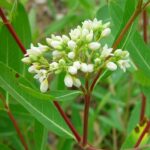
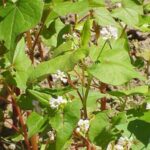
- Botanical name: Aralia racemosa
- Family: Araliaceae
- Common names: American Spikenard
- Natural habitat: Eastern North America- woodlands, hillsides
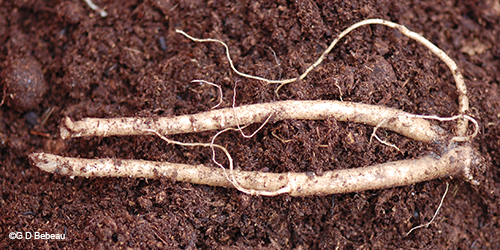
- Part used: Fresh root
2. Preparation for Homeopathic Use
- Mother tincture (Q): Made by macerating the freshly harvested root in alcohol
- Potentization: Achieved through serial dilution and succussion, primarily on the C scale
Safety Note:
The crude plant exhibits medicinal activity. Only homeopathically prepared dilutions are used therapeutically.
3. Core Remedy Picture (Keynotes)
Essence:
- Asthmatic and nervous respiratory conditions
- Sudden episodes of breathlessness (dyspnea)
- Symptoms worsen at night, particularly after midnight
- Marked nervous irritability
Mental-Emotional:
- Anxiety linked to breathing difficulty
- Restlessness and nervous agitation during attacks
- Fear of suffocation
Physical Tendencies:
- Asthma aggravated at night and after midnight
- Dry cough with tightness in the chest
- Tickling sensation in the throat
- Shortness of breath when lying down
- Relief from sitting up or moving
4. Therapeutic Uses in Homeopathy
A. Acute (Common) Ailments
- Sudden asthma attacks
- Night cough with breathlessness
- Acute bronchospasm
- Allergic respiratory irritation
B. Chronic Ailments
- Persistent bronchial asthma
- Recurrent nighttime cough
- Nervous respiratory disorders
- Asthma worsened by cold air or exertion
C. Severe Presentations (Adjunctive Only)
- Severe asthma exacerbations
- Panic-associated respiratory distress
Note: Urgent medical evaluation is essential in severe cases.
5. Constitutional Profile Ideal Candidates
- Nervous, sensitive individuals
- Patients with a tendency toward respiratory spasm (not mucus overload)
- Symptoms worsen at night or when lying down
Characteristic Effects:
The respiratory system reacts with spasm and constriction, often triggered by nervous excitement, resulting in sudden difficulty breathing.
6. Potencies & Practical Guidance
| Potency | Pack Size | Clinical Use |
|---|---|---|
| 30C | 100 ml | Asthma, nocturnal cough |
Repetition:
- During acute episodes: repeat with caution
- Reduce frequency as symptoms improve
- Avoid excessive dosing in chronic cases
7. Use in Children & Seniors
Children:
- Night cough
- Spasmodic breathing
- Medical supervision recommended
Seniors:
- Chronic asthma
- Nervous dyspnea
- Exclude cardiac causes before use
8. Classical References & Clinical Guidance
- Noted in works by Hale, Boericke, and Clarke for:
- Asthma of nervous origin
- Nighttime aggravation
- Dry, spasmodic cough
- Often compared with Arsenicum album, Ipecacuanha, and Nux vomica.
9. Key Repertory Rubrics
- Asthma- worse at night
- Dyspnea- lying down
- Cough- dry, spasmodic
- Respiration- constricted
- Generalities- worse after midnight
10. Comparative Repertorization Chart
| Rubric | Aralia rac | Ars alb | Ipecac | Nux vom |
|---|---|---|---|---|
| Asthma at night | 3 | 3 | 2 | 1 |
| Dyspnea lying down | 3 | 2 | 2 | 1 |
| Dry cough | 2 | 1 | 1 | 2 |
| Nervous restlessness | 2 | 3 | 1 | 2 |
| Relief sitting up | 3 | 2 | 1 | 1 |
Clinical Insight:
Aralia racemosa is an important remedy in asthmatic conditions, especially when the attacks are worse at night and are characterized by nervous dyspnea and marked constriction of the chest, rather than excessive mucus accumulation. The asthma appears more functional or nervous in origin, with spasmodic breathing difficulty rather than obstructive catarrhal symptoms.
A key indication for Aralia racemosa is the sudden onset of asthma after midnight, often forcing the patient to sit up in bed due to a feeling of suffocation. The breathing becomes difficult, anxious, and constricted, with a sensation as if the chest cannot expand fully. The patient may feel restless, frightened, and unable to lie down comfortably. Unlike remedies where mucus rattling is prominent, Aralia racemosa shows little or no expectoration, and the chest feels tight and oppressed rather than congested.
The dyspnea is often associated with nervous excitability, making this remedy especially useful in individuals whose asthma is triggered by emotional stress, anxiety, or sudden exposure to cold air. Cold weather and night-time aggravation are important guiding symptoms. Relief may be obtained by sitting upright or moving about, which helps ease the chest constriction.
Aralia racemosa also has value in asthmatic patients with a history of allergic tendencies or recurrent nocturnal attacks without clear inflammatory signs. Clinically, it is best suited to spasmodic, nervous asthma, where chest tightness and nighttime worsening dominate the picture, and mucus formation plays a minimal role.