
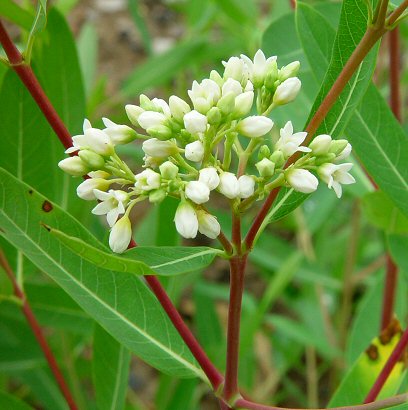
1. Plant Origin & Identity
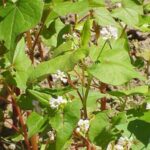
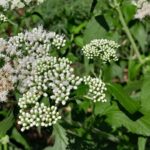
- Botanical name: Apocynum cannabinum
- Family: Apocynaceae
- Common names: Indian Hemp, Dogbane
- Natural habitat: North America-riverbanks, moist meadows
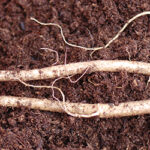
- Part used: Fresh root
2. Preparation for Homeopathic Use
- Mother tincture (Q): Created by macerating the fresh root in alcohol.
- Potentization: Achieved through serial dilution and succussion, typically using the C scale.
- Safety note: The crude plant is cardiotoxic. Only homeopathically prepared potencies are used in clinical practice.
3. Core Remedy Picture (Keynotes)
- Essence:
- Marked dropsy (edema) due to cardiac or renal weakness
- Profuse watery swelling
- Great thirst but reduced urine output
- Weak heart action
- Mental-Emotional:
- Mental dullness from exhaustion
- Anxiety, often triggered by breathlessness
- Diminished mental energy secondary to physical disease
- Physical Tendencies:
- Generalized edema (face, abdomen, limbs)
- Ascites
- Shortness of breath from fluid retention
- Scanty or suppressed urine
- Weak, irregular pulse
4. Therapeutic Uses in Homeopathy
A. Common (Subacute) Conditions:
- Edema after acute illness
- Dropsical swelling with weakness
- Fluid retention with shortness of breath
B. Chronic Conditions:
- Cardiac dropsy
- Renal-related edema
- Ascites associated with heart failure
- Chronic fluid retention with low vitality
C. Severe/Extreme Presentations:
- Advanced heart failure with edema
- Severe renal insufficiency
- Massive ascites
Note: In severe cases, Apocynum is used as an adjunct only. Urgent medical care is essential. Always combine with conventional treatment.
5. Constitutional Profile – Who Benefits Most?
- Individuals with cardiac or renal weakness
- Those with profuse watery swelling and low urine output
- Weak, exhausted patients-not typically suited for inflammatory states
Pathophysiology: Fluid accumulates faster than it can be eliminated, resulting in dropsy, breathlessness, and profound exhaustion.
6. Potencies & Practical Use
| Potency | Pack Size | Clinical Use |
|---|---|---|
| 6C | 100 ml | Early edema, fluid retention |
| 200C | 100 ml | Chronic cardiac or renal dropsy |
Repetition:
- Low potencies: Repeat cautiously
- Higher potencies: Dose infrequently
- Discontinue once urine flow and swelling improve
7. Effects in Children & Seniors
- Children:
- Congenital or post-illness edema (requires strict medical supervision)
- Seniors:
- Cardiac dropsy
- Renal insufficiency with swelling (rule out serious underlying causes first)
8. Classical References & Clinical Use
Described by Hale, Clarke, and Boericke for:
- Dropsy
- Cardiac weakness
- Renal edema
- Frequently compared with Arsenicum album, Digitalis, and Apis mellifica.
9. Key Repertory Rubrics
- General dropsy
- Scanty urine
- Heart weakness
- Dyspnea from fluid accumulation
- Generalized edema
10. Sample Repertorization Chart
| Rubric | Apocynum | Apis | Digitalis | Arsenicum |
|---|---|---|---|---|
| General dropsy | 3 | 2 | 2 | 2 |
| Scanty urine | 3 | 1 | 2 | 2 |
| Cardiac weakness | 2 | 1 | 3 | 1 |
| Thirst | 2 | 0 | 1 | 3 |
| Dyspnea from fluid | 3 | 2 | 2 | 1 |
Clinical Tip:
Apocynum cannabinum is indicated when the clinical picture is dominated by profuse, watery edema, particularly when associated with cardiac or renal weakness. The swelling is usually soft, pitting, and extensive, involving the face, limbs, abdomen, or even the entire body. Unlike inflammatory edema, the swelling in Apocynum is more passive in nature and reflects failure of circulation or kidney function rather than active congestion.
This remedy has a strong affinity for the heart and kidneys, making it especially useful in dropsical conditions arising from cardiac insufficiency or renal disease. The patient may present with shortness of breath, palpitation, or a sense of oppression in the chest, indicating weakened cardiac action. In kidney-related cases, urine is often scanty, dark, or suppressed, and edema increases as urinary output decreases.
Gastrointestinal symptoms frequently support the prescription. There may be marked nausea, vomiting, and thirst, yet drinking water aggravates the nausea and may be immediately vomited. This peculiar intolerance of fluids is a guiding symptom of Apocynum cannabinum. The patient feels worse after eating or drinking, adding to the general weakness and exhaustion.
Mentally, the patient may appear dull, anxious, or despondent, reflecting the underlying physical debility. Apocynum cannabinum is primarily a remedy of advanced or low-reaction states, rather than early inflammatory conditions. It is most useful when edema is severe, persistent, and clearly linked to heart or kidney failure, and when the body lacks the strength to eliminate excess fluid on its own.