
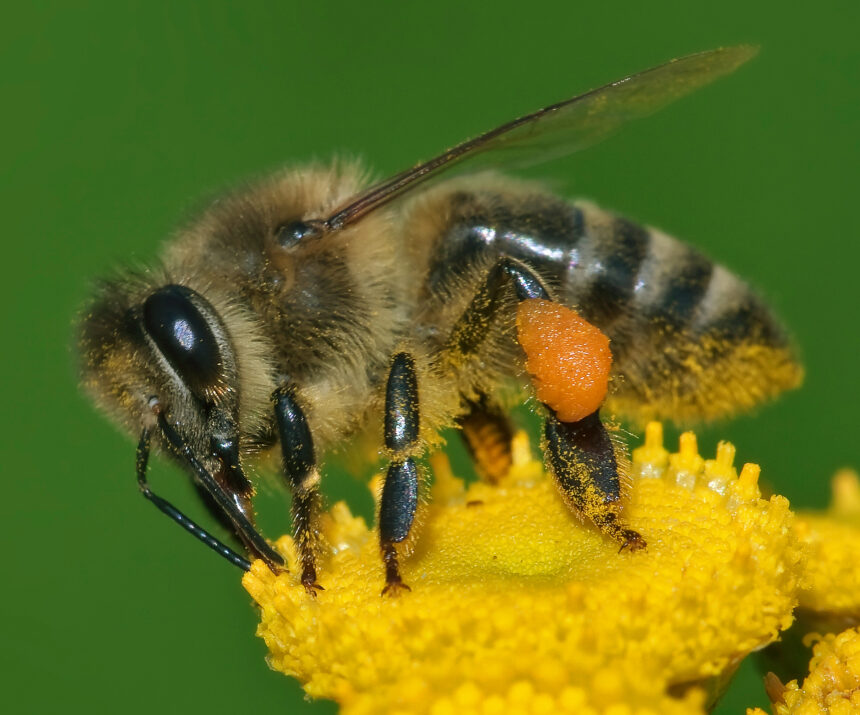
1. Source Origin & Identity
- Remedy Name: Apis Mellifica
- Source: Whole honey bee (Apis mellifica)
- Kingdom: Animal
- Part Used: Entire insect, including venom apparatus
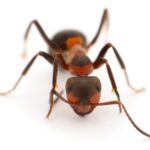
Note: Apis Mellifica is of animal origin, not plant-based. The remedy is derived from the whole honey bee, making bee imagery appropriate and accurate.
2. Preparation for Homeopathic Use
- The live honey bee is processed according to homeopathic pharmacopeial standards to create the mother tincture.
- This mother tincture is then serially diluted and succussed to produce different homeopathic potencies.
Safety Note: Bee venom is toxic in its raw form. Homeopathic preparations are highly diluted and safe when manufactured by licensed pharmacies.
3. Core Remedy Picture (Keynotes)
- Essence: Apis Mellifica typifies acute inflammation with edema, burning–stinging pains, and absence of thirst-closely mirroring the effect of a bee sting.
- Mental–Emotional Symptoms:
- Irritability
- Restlessness
- Sudden outbursts of crying or shrieking (especially in children)
- Mental dullness during acute inflammation
- Physical Symptoms:
- Rapid onset of swelling, redness, and heat
- Edema that pits poorly or not at all
- Burning, stinging pains
- Symptoms are worse from heat and better from cold applications
- Lack of thirst, even during fever
4. Therapeutic Uses in Homeopathy
- A. Common (Acute) Conditions:
- Allergic reactions with swelling
- Urticaria (hives)
- Insect bites and stings
- Acute sore throat with edema
- Puffy eyelids and facial swelling
- B. Chronic Conditions:
- Recurring allergic tendencies
- Chronic edema states
- Ovarian inflammation with swelling
- Recurrent cystitis with burning pain
- C. Extreme/Emergency Presentations:(Adjunct only—urgent medical care required)
- Anaphylactic-type reactions
- Acute glomerulonephritis with edema
- Severe serous inflammations
Warning: Emergency medical care is essential in severe allergic reactions.
5. Constitutional Profile- Who Responds Best?
- Sensitive individuals
- Fair-skinned people
- Children and women most often affected
- Patients with intense reactions to inflammation
Characteristic Pattern: Inflammation progresses rapidly, causing swelling, burning, and stinging pains, minimal thirst, and intolerance to heat.
6. Potencies & Practical Use
| Potency | Pack Size | Clinical Use |
|---|---|---|
| 6C | 100 ml | Acute edema, allergic swelling |
| 30C | 100 ml | Urticaria, sore throat, cystitis |
| 200C | 100 ml | Intense inflammatory reactions |
| 1M | 60 ml | Deep constitutional allergic tendency |
Repetition:
- In acute cases, repeat frequently at first
- Reduce frequency as swelling subsides
- Discontinue after clear improvement
7. Effects in Children & Seniors
- Children:
- Sudden fevers with swelling
- Puffy eyelids
- Acute allergic reactions (Medical supervision recommended)
- Seniors:
- Edema from cardiac or renal causes
- Inflammatory urinary complaints (Rule out underlying pathology)
8. Classical References & Clinical Use
- Cited by Hahnemann, Kent, Boericke, Clarke for:
- Edematous inflammation
- Stinging pains
- Fever with thirstlessness
- Often compared with Belladonna, Cantharis, Rhus toxicodendron.
9. Key Repertory Rubrics
- Swelling (edema)
- Stinging pains
- Symptoms worse from heat
- Thirstlessness during fever
- Skin eruptions (urticaria)
10. Sample Repertorization Chart
| Rubric | Apis | Belladonna | Cantharis | Rhus tox |
|---|---|---|---|---|
| Edema | 3 | 1 | 1 | 1 |
| Stinging pain | 3 | 1 | 3 | 1 |
| Worse heat | 3 | 3 | 2 | 1 |
| Thirstless | 3 | 0 | 0 | 1 |
| Sudden onset | 2 | 3 | 2 | 2 |
Clinical Insight:
Apis Mellifica is selected when the clinical picture is characterized by acute inflammation with marked swelling, stinging or burning pains, aggravation from heat, and absence of thirst. The swelling is usually sudden in onset, rapid in progress, and often accompanied by redness and a smooth, shiny appearance of the affected parts. The tissues feel tense and sensitive, as if stretched, and pressure does not relieve the discomfort.
A keynote indication of Apis Mellifica is the presence of sharp, stinging pains, similar to a bee sting. These pains are commonly associated with edematous conditions such as urticaria, insect bites, allergic reactions, and inflammatory swellings. Another important guiding symptom is the patient’s intolerance to heat. Symptoms are aggravated by warm weather, warm rooms, and hot applications, while relief is obtained from cold air or cold applications.
Despite fever or inflammation, the patient typically shows a lack of thirst, which is a strong confirmatory symptom for this remedy. Mentally, the patient may be restless, irritable, or anxious, with sudden changes in mood. In severe cases, dullness or confusion may be present.
Apis Mellifica has a strong affinity for serous membranes, making it useful in conditions such as pleuritis, meningitis, ovarian inflammation, and dropsical states. It is chiefly indicated in acute, rapidly developing conditions where swelling, heat intolerance, and stinging pain are prominent features.