
1. Source Origin & Identity
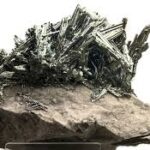
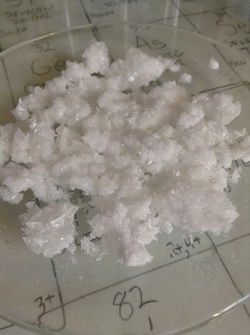
Remedy Name: Antimonium Tartaricum
Chemical Name: Antimony potassium tartrate
Kingdom: Mineral / Chemical
Source: A synthesized chemical compound made from antimony and tartaric acid.
Part Used: Purified antimony salt
Source clarification: This remedy is not derived from any plant, flower, or fruit. Only mineral/chemical imagery should be used- avoid botanical depictions.
2.Preparation for Homeopathic Use
The purified antimony potassium tartrate is first triturated with lactose for safety and uniformity. It is then serially diluted and succussed according to standard homeopathic pharmacopeial procedures to produce potencies such as 3X, 30C, and 200C.
Safety Note: The crude substance is toxic. Only highly diluted potencies, prepared by qualified homeopathic pharmacies, are used therapeutically.
3. Core Remedy Picture (Keynotes)
Essence:
Antimonium Tartaricum typifies a state of respiratory distress with copious mucus, profound weakness, and reduced reactive power.
Mental- Emotional:
- Drowsiness, stupor
- Mental dullness
- Irritability when disturbed
- Aversion to being touched
Physical Tendencies:
- Loud rattling of mucus in the chest
- Ineffective cough despite abundant secretions
- Cyanosis and cold sweat in advanced states
- Shallow, labored breathing
4. Therapeutic Uses in Homeopathy
A. Common (Acute) Ailments:
- Acute bronchitis with rattling respiration
- Bronchiolitis in infants
- Influenza with chest congestion
- Supportive care in pneumonic congestion
B. Chronic Ailments:
- Chronic bronchitis with tenacious mucus
- Bronchiectasis with weak expectoration
- Recurrent chest infections in debilitated patients
C. Extreme / Emergency States:
(Adjunctive only- immediate medical care required)
- Respiratory collapse
- Cyanotic breathing
- Near-asphyxial conditions
Homeopathy is supportive and never a substitute for emergency medical intervention.
5. Constitutional Profile- Who Benefits Most?
- Elderly or debilitated individuals
- Infants with poor respiratory effort
- Patients with low vitality and weak immune response
Characteristic Pattern:
Mucus accumulates in the lungs faster than it can be expelled, while strength diminishes, leading to rattling respiration and a tendency to collapse.
6.Potencies & Practical Use
| Potency | Pack Size | Clinical Use |
|---|---|---|
| 3X | 100 ml | Very acute, physical chest congestion |
| 30C | 100 ml | Acute bronchitis, rattling cough |
| 200C | 100 ml | Severe systemic involvement |
Repetition Guidelines:
- In acute cases, dose at short intervals
- Reduce or stop once breathing improves
- Avoid over-repetition in frail patients
7.Effects in Children & Seniors
Children:
- Bronchiolitis
- Rattling chest with weak cough
(Medical supervision is mandatory)
Seniors:
- Chronic bronchial congestion
- Collapse tendency during infections
(Assess cardiac and pulmonary status)
8.Classical References & Clinical Use
Cited by Hahnemann, Kent, Boericke, and Clarke for:
- Rattling bronchial mucus
- Drowsiness with weakness
- Inability to expectorate
Frequently compared with Ipecac, Phosphorus, and Bryonia.
9.Key Repertory Rubrics
- Chest: rattling mucus
- Cough: loose, ineffective
- Respiration: labored
- Generalities: collapse tendency
- Mind: drowsiness
10.Sample Repertorization Chart
| Rubric | Antim. Tart | Ipecac | Phos | Bryonia |
|---|---|---|---|---|
| Rattling chest | 3 | 1 | 2 | 1 |
| Weak cough | 3 | 2 | 1 | 1 |
| Drowsiness | 3 | 1 | 1 | 1 |
| Collapse tendency | 2 | 1 | 2 | 1 |
| Worse lying down | 3 | 1 | 2 | 3 |
Clinical Insight:
Select Antimonium Tartaricum when the clinical picture is dominated by rattling mucus in the chest, profound physical weakness, and marked drowsiness or stupor. The most striking feature is the presence of abundant mucus in the air passages, producing loud, coarse rattling sounds, while the patient is too weak to cough it up effectively. Despite the apparent looseness of the cough, expectoration is scanty or absent, and coughing provides little relief.
The patient appears dull, heavy, and sleepy, often lying quietly with half-closed eyes and showing an aversion to being disturbed. There is a general state of prostration, where even slight exertion worsens the condition. This remedy is especially valuable in bronchitis, broncho-pneumonia, and pneumonia, particularly in infants, the elderly, or debilitated individuals.
Breathing may be labored, with signs of impending respiratory failure, such as cyanosis or cold perspiration. The tongue is typically coated white, and nausea or vomiting may be present. Antimonium Tartaricum is best suited to late-stage or low-reaction states, where the vital response is depressed and the patient lacks the strength to clear secretions or rally against the disease.