
1. Source Origin & Identity
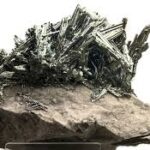
- Remedy Name: Antimonium Arsenicosum
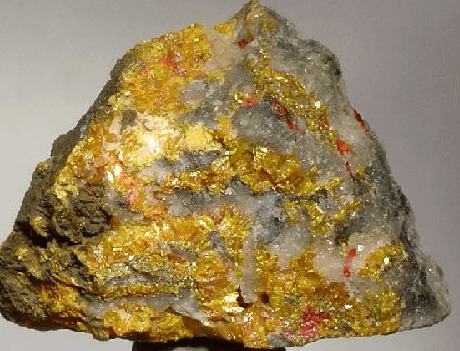
- Chemical Identity: Compound of antimony and arsenic
- Kingdom: Mineral / chemical
- Source: Derived from antimony arsenate
- Part Used: Purified mineral compound
2. Preparation for Homeopathic Use
- Initial Step: Careful trituration of the mineral compound with lactose
- Potentization: Serial dilution and succussion (typically on the C scale)
- Safety: Crude antimony- arsenic compounds are toxic, but homeopathic potencies are highly dilute and safe when prepared pharmaceutically.
3. Core Remedy Picture (Keynotes)
Essence:
- Profound weakness with persistent restlessness
- Marked anxiety despite exhaustion
- Profound prostration
- Burning pains and irritability
Mental- Emotional:
- Anxiety accompanying physical illness
- Restlessness even in great weakness
- Fear of health collapse
- Mental agitation with inability to rally strength
Physical:
- Extreme debility
- Internal burning sensations
- Gastrointestinal irritation
- Weak circulation
- Poor tolerance to exertion
4. Clinical Uses in Homeopathy
A. Acute Situations
- Severe weakness after illness
- Restlessness with exhaustion
- Burning gastric discomfort
- Debility accompanied by anxiety
B. Chronic States
- Persistent exhaustion, especially after infections
- Extended gastrointestinal irritation
- Nervous debility with collapse tendency
C. Extreme/Severe Cases
(Adjunct only-requires urgent medical care)
- Collapse states
- Severe toxic or septic presentations
- Advanced wasting disorders
Medical supervision is mandatory in severe cases.
5. Constitutional Profile- Who Benefits Most?
- Individuals with marked physical weakness and low vitality
- Patients left exhausted by chronic disease
- Those with anxious restlessness, especially when worsened by exertion and improved by rest
Characteristic Pattern:
The system is too weak to respond, yet anxiety and restlessness persist, resulting in distress without the strength to act.
6. Potencies & Practical Use
| Potency | Pack Size | Practical Clinical Use |
|---|---|---|
| 30C | 100 ml | Debility with restlessness |
| 200C | 100 ml | Severe exhaustion, collapse tendency |
Dosing:
- Use cautiously
- Prefer infrequent dosing
- Stop once strength and calm improve
7. Effects in Special Populations
Children:
- Extreme weakness post-illness
- Restlessness with fatigue
- (Strict medical supervision required)
Seniors:
- Chronic debility
- Collapse tendency
- (Rule out cardiac or systemic disease)
8. Classical References & Clinical Notes
Cited in Clarke, Boericke, and Allen for:
- Prostration with restlessness
- Burning pains
- Anxiety with weakness
Often compared with Arsenicum album, Antimonium tartaricum, and Carbo vegetabilis.
9. Key Repertory Rubrics
- Weakness- extreme
- Restlessness- with debility
- Anxiety- during illness
- Burning pains- collapse
10. Sample Repertorization Chart
| Rubric | Antim. Ars | Ars alb | Ant-t | Carbo veg |
|---|---|---|---|---|
| Extreme weakness | 3 | 3 | 2 | 3 |
| Restlessness | 3 | 3 | 1 | 1 |
| Anxiety | 2 | 3 | 1 | 1 |
| Burning sensations | 2 | 3 | 1 | 1 |
| Collapse tendency | 2 | 2 | 3 | 3 |
Clinical Insight:
From a clinical standpoint, Antimonium Arsenicosum represents a state of profound physical exhaustion accompanied by inner restlessness and anxiety. Patients requiring this remedy often appear extremely weak, yet they are unable to remain still due to an internal sense of unease. This paradox—marked debility with persistent restlessness- is a guiding feature. Unlike purely nervous agitation, the restlessness here arises from systemic weakness and circulatory insufficiency rather than emotional fear alone.
Physically, such patients may complain of burning sensations internally, digestive irritation, and intolerance to even slight exertion. Appetite is often poor, strength is quickly depleted, and recovery after illness is slow and incomplete. Circulatory weakness may contribute to coldness, faintness, or collapse tendencies, particularly in elderly or chronically ill individuals. Mental symptoms usually reflect concern about health and survival rather than abstract anxiety.
Clinical improvement with Antimonium Arsenicosum is typically gradual and indicated by reduced restlessness, improved tolerance to activity, and a steadier return of physical strength. Because cases calling for this remedy often involve fragile patients, careful observation and appropriate medical supervision are essential. The remedy should be regarded as supportive in restoring balance where exhaustion and anxiety coexist.
Regular follow-up ensures stable recovery and helps prevent relapse in vulnerable patients over time.