
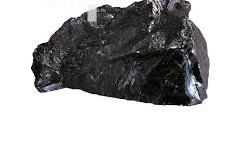
1. Source Origin & Identity
Remedy Name: Anthrakokali
Source Type: Mineral/chemical combination
Composition: Charcoal combined with potassium salts
Kingdom: Mineral
Part Used: Prepared mineral- carbon compound
Preparation for Homeopathic Use
- Initial Preparation: Trituration of charcoal combined with potassium salts
- Potentization: Serial dilution and succussion, typically on the C scale
Safety Note:
Crude forms of charcoal and potassium salts have physiological actions. Homeopathic potencies are highly diluted and safe when prepared according to pharmacopeial standards.
2. Core Remedy Picture (Keynotes)
Essence:
- Chronic septic or toxic states
- Slow, sluggish reactions
- Tendency to suppuration
- Low vitality and poor resistance
Mental- Emotional:
- Mental dullness
- Indifference
- Lack of reactive power
- Sluggish thinking (not anxiety)
Physical Tendencies:
- Offensive discharges
- Chronic abscesses
- Enlarged glands
- Slow-healing wounds
- General weakness and poor immunity
3. Uses in Homeopathy
A. Common Ailments:
- Chronic skin infections
- Boils and abscesses
- Offensive secretions
- Glandular swellings
B. Chronic Ailments:
- Chronic septic conditions
- Recurrent suppuration
- Poor wound healing
- Low-grade infections with debility
C. Extreme/Severe Presentations:
- Adjunctive only—medical care essential
- Severe septic states
- Chronic ulceration
(Homeopathy is supportive, not a substitute for primary medical care)
4. Constitutional Profile- Who Benefits Most?
- Individuals with low vitality
- Poor immune response
- Tendency to infections
- Sluggish metabolism
How It Affects Them:
The system lacks reactive power, leading to persistent infection, suppuration, and slow recovery.
5. Potencies & Practical Use
| Potency | Pack Size | Practical Clinical Use |
|---|---|---|
| 30C | 100 ml | Chronic infections, boils, glandular issues |
Repetition Guidelines:
- Moderate repetition
- Reduce frequency once discharge and inflammation subside
- Avoid prolonged dosing without response
Effects in Children & Seniors
Children:
- Recurrent boils
- Enlarged glands
(Medical supervision advised)
Seniors:
- Poor wound healing
- Chronic infections
(Rule out diabetes or immune disorders)
6. Classical References & Clinical Notes
Anthrakokali is mentioned in Clarke and Boericke as a remedy for:
- Septic conditions
- Chronic suppuration
- Low vitality
Often compared with Hepar sulphuris, Silicea, and Carbo vegetabilis.
Key Repertory Rubrics
- Abscess- chronic
- Discharges- offensive
- Glands- enlarged
- Suppuration- tendency
- Weakness- general
7. Sample Repertorization Chart
| Rubric | Anthrakokali | Hepar sulph | Silicea | Carbo veg |
|---|---|---|---|---|
| Chronic suppuration | 3 | 3 | 3 | 1 |
| Offensive discharge | 3 | 2 | 1 | 3 |
| Low vitality | 3 | 1 | 2 | 3 |
| Slow healing | 2 | 2 | 3 | 1 |
| Glandular swelling | 2 | 2 | 3 | 1 |
Clinical Insight:
From a clinical standpoint, Anthrakokali occupies an important place among remedies indicated for chronic septic and suppurative conditions where the organism shows a markedly reduced reactive capacity. Patients requiring this remedy often present with long-standing infections that fail to resolve despite local treatment. Abscesses may recur, discharges tend to be offensive, and healing is notably slow, suggesting impaired tissue response rather than acute inflammation. The vitality of such patients is generally low, with a tendency toward exhaustion after minor illness or injury.
Physically, glandular involvement is common, with enlarged or indurated glands that show little tendency to resolve spontaneously. Skin lesions may appear sluggish, bluish, or unhealthy in appearance, and wounds may granulate poorly. Fever, if present, is usually low-grade and persistent rather than acute and reactive. Mentally, the patient may appear indifferent or apathetic, reflecting systemic exhaustion rather than emotional disturbance. This lack of reaction is a key guiding feature in selecting Anthrakokali.
Clinical improvement is typically gradual. Favorable response is indicated by reduction in offensive discharge, improved tissue tone, better wound healing, and a slow but steady return of vitality. Because these cases are often chronic and complex, periodic reassessment is essential. Anthrakokali should be viewed as a remedy that supports systemic resistance and recovery rather than producing rapid, dramatic change.
Long-term follow-up allows assessment of tissue response, infection control, and overall vitality, ensuring that improvement is sustained and relapse is avoided in chronic cases.
Careful monitoring over time supports stable recovery and long-term clinical improvement over time.