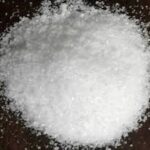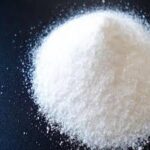


1. Source Origin & Identity
- Substance Name: Ammonium muriaticum
- Chemical Identity: Ammonium chloride
- Kingdom: Mineral (chemical salt)
- Natural Source: Synthesized by combining ammonia and hydrochloric acid
- Part Used: Purified ammonium chloride
2. Preparation for Homeopathic Use
- Initial Preparation: Trituration of purified ammonium chloride with lactose
- Potentization: Serial dilution and succussion on the C scale
Safety Reminder:
- Crude ammonium chloride has pharmacological effects.
- Homeopathic potencies are highly diluted and considered safe when prepared by licensed pharmacies.
3. Core Remedy Picture (Key Features)
Essence:
- Catarrhal conditions with thick mucus
- Muscular pain and stiffness
- Digestive sluggishness
- Weakness aggravated by physical exertion
Mental- Emotional:
- Mental fatigue and sluggishness
- Difficulty concentrating
- Irritability due to physical discomfort
- Slowness, rather than anxiety
Physical Tendencies:
- Thick, white or yellow mucus
- Chronic cough with scanty expectoration
- Constipation with incomplete evacuation
- Stiff, painful muscles and joints
- Abdominal distension
4. Homeopathic Uses
A. Common Indications:
- Chronic nasal and bronchial catarrh
- Muscle soreness after exertion
- Digestive heaviness
- Constipation with weakness
B. Chronic Indications:
- Persistent respiratory catarrh
- Long-standing muscular rheumatism
- Chronic constipation with abdominal bloating
- Liver congestion with sluggish digestion
C. Severe Presentations:
- Severe chronic bronchitis (adjunctive only- medical management required)
- Advanced musculoskeletal stiffness (supportive care only)
5. Constitutional Profile- Who Benefits Most?
- Individuals with slow metabolism
- Those prone to catarrhal buildup
- People suffering from muscle stiffness and fatigue
- Symptoms worsen with exertion, improve with rest
How It Affects Them:
- Waste and mucus accumulation leads to stiffness, catarrh, and inefficient digestion.
6. Potencies & Practical Use
| Potency | Pack Size | Practical Clinical Use |
|---|---|---|
| 30C | 100 ml | Catarrh, muscle pain, digestive sluggishness |
| 200C | 100 ml | Chronic respiratory and rheumatic conditions |
Repetition:
- 30C: Moderate frequency
- 200C: Infrequent dosing
- Discontinue once mucus and stiffness improve
7. Effects in Children & Seniors
- Children: Chronic cough with mucus, digestive sluggishness (always under medical supervision)
- Seniors: Muscle stiffness, chronic bronchial catarrh (rule out degenerative diseases)
8. Documented Clinical Use & References
- Classical homeopathic authorities (Hahnemann, Kent, Clarke, Boericke) describe Ammonium muriaticum for:
- Catarrhal affections
- Muscular pains
- Constipation with weakness
- Often compared with Kali muriaticum, Natrum muriaticum, and Bryonia for similar indications.
9. Key Repertory Rubrics
- Catarrh- thick
- Cough- chronic
- Constipation- incomplete
- Muscles- stiffness
- General weakness
10. Sample Repertorization Chart
| Rubric | Amm. Mur | Nat mur | Kali mur | Bryonia |
|---|---|---|---|---|
| Catarrh – thick | 3 | 2 | 3 | 1 |
| Muscle stiffness | 3 | 2 | 1 | 3 |
| Constipation | 2 | 3 | 1 | 2 |
| Digestive sluggishness | 2 | 2 | 1 | 2 |
| Weakness after exertion | 3 | 1 | 1 | 2 |
Clinical Insight:
From a clinical standpoint, Ammonium Muriaticum is most valuable in patients whose complaints reflect a combination of catarrhal accumulation, muscular stiffness, and metabolic sluggishness. Such individuals often experience persistent mucus formation in the respiratory tract, accompanied by a sense of heaviness, fatigue, and reduced physical endurance. The remedy is frequently indicated when symptoms worsen with exertion and improve with rest, suggesting an underlying inability of the system to efficiently eliminate waste products. Muscular pains are typically dull, aching, and associated with stiffness rather than acute inflammation. Digestive complaints may include abdominal distension, incomplete evacuation, and a general feeling of heaviness after meals. In chronic cases, prolonged catarrhal states may contribute to reduced vitality and secondary weakness. Clinical improvement is often gradual and marked by clearer respiration, reduced stiffness, improved bowel regularity, and enhanced physical stamina. As with all chronic conditions, careful observation and periodic reassessment are essential to confirm sustained response and avoid unnecessary repetition of the remedy.
In long-standing cases, attention should also be given to lifestyle factors such as physical inactivity, dietary habits, and environmental exposure, as these may contribute to persistent catarrhal and metabolic sluggishness. Supportive measures often enhance overall recovery.
Regular follow-up helps ensure sustained improvement and prevents symptom recurrence over time.