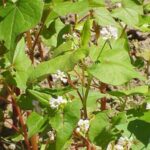

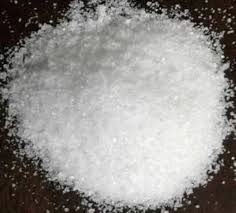
1. Source Origin & Identity
- Substance Name: Ammonium Carbonicum
- Chemical Nature: Ammonium carbonate (a mineral/chemical salt)
- Source: Prepared from the reaction of ammonia and carbonic acid
- Part Used: Purified chemical compound
Significance in Materia Medica:
Ammonium Carbonicum is a key remedy for profound weakness, venous congestion, and inadequate oxygenation. It is particularly suitable for elderly, obese, or sluggish individuals prone to breathlessness, cyanosis, and collapse, especially during acute illness.
2. Preparation for Homeopathic Use
- Initial Preparation: Trituration of ammonium carbonate with lactose
- Potentization: Serial dilution and succussion on the centesimal ‘C’ scale
Safety Note: Crude ammonium carbonate is a strong chemical stimulant. Only use homeopathically prepared potencies for therapeutic purposes.
3. Core Remedy Picture (Keynotes)
Essence:
- Marked weakness with sluggish response
- Venous stasis and cyanosis
- Deficiency of vital heat
- Tendency to collapse
Mental-Emotional:
- Mental dullness and confusion, especially on exertion
- Anxiety accompanying breathing difficulties
- Sluggishness and delayed response to surroundings
Physical Tendencies:
- Shortness of breath with minimal exertion
- Bluish lips and fingertips
- Weak heart action
- Easy fainting
- Swollen glands
4. Clinical Uses in Homeopathy
A. Common Indications:
- Fatigue with breathlessness
- Cold extremities, general weakness
- Glandular enlargement
- Prolonged recovery after acute illnesses
B. Chronic Conditions:
- Chronic cardiac weakness
- Venous congestion
- Recurring respiratory infections
- Senile debility
C. Severe/Extreme States (Adjunct Only):
- Collapse (requires urgent medical care)
- Cyanotic states
- Severe dyspnea in the elderly
5. Constitutional Profile
Best Suited For:
- Elderly individuals
- Obese or sluggish patients
- Those with poor circulation and oxygenation
- Symptoms aggravated by exertion and cold
Impact:
Impaired circulation leads to marked weakness, breathlessness, and a tendency to collapse.
6. Potency Selection & Practical Use
| Potency | Pack Size | Practical Clinical Use |
|---|---|---|
| 6C | 100 ml | Mild weakness, early circulatory sluggishness |
| 30C | 100 ml | General debility, venous congestion |
| 200C | 100 ml | Severe weakness, collapse tendencies |
Repetition Guidelines:
- Lower potencies: repeat with caution
- Higher potencies: dose infrequently
- Discontinue once strength and circulation improve
7. Special Considerations: Children & Seniors
Children:
- Swollen glands
- Recurrent infections with weakness
- Medical supervision required
Seniors:
- Especially valuable remedy
- For breathlessness, cyanosis, collapse
- Always rule out underlying cardiac disease
8. Documented Clinical Use & References
Classical authorities (Hahnemann, Kent, Clarke, Boericke) recommend Ammonium Carbonicum for:
- Collapse states
- Weakness of heart and lungs
- Cyanosis
- Senile debility
Often compared with Carbo vegetabilis, Antimonium tartaricum, and Digitalis.
9. Key Repertory Rubrics
- Respiration: Dyspnea on exertion, difficult breathing
- Circulation: Cyanosis, weak pulse
- Generalities: Extreme weakness, tendency to collapse
10. Sample Comparative Repertorization Chart
| Rubric | Amm. Carb | Carbo veg | Ant-t | Digitalis |
|---|---|---|---|---|
| Dyspnea | 3 | 3 | 2 | 2 |
| Cyanosis | 3 | 3 | 2 | 1 |
| Collapse | 3 | 3 | 2 | 1 |
| Weak pulse | 2 | 2 | 2 | 3 |
| Senile debility | 3 | 2 | 1 | 2 |
Clinical Insight:
In clinical practice, Ammonium Carbonicum is particularly valuable in patients whose vitality is compromised by poor oxygenation and sluggish circulation. Such individuals often present with coldness of the extremities, bluish discoloration of lips or fingers, and a marked intolerance to exertion. Even minimal physical activity may provoke breathlessness, weakness, or a sense of impending collapse. The remedy is frequently indicated in elderly or obese patients where metabolic and circulatory efficiency is reduced, and recovery from acute illness is notably slow. Mental symptoms often reflect physical exhaustion rather than emotional disturbance, with confusion or dullness appearing during states of hypoxia. Correct prescribing is confirmed when warmth improves, breathing becomes easier, and overall strength gradually returns. Careful monitoring is essential, as these patients are often medically fragile and require integrated care.
Long-term follow-up is important to assess circulatory stability, energy levels, and overall functional recovery in such patients, especially when age-related or metabolic factors are involved. Ongoing clinical observation helps confirm remedy response and prevent relapse. Regular reassessment supports safe, effective, and sustained clinical improvement.