
1. Source Origin & Identity
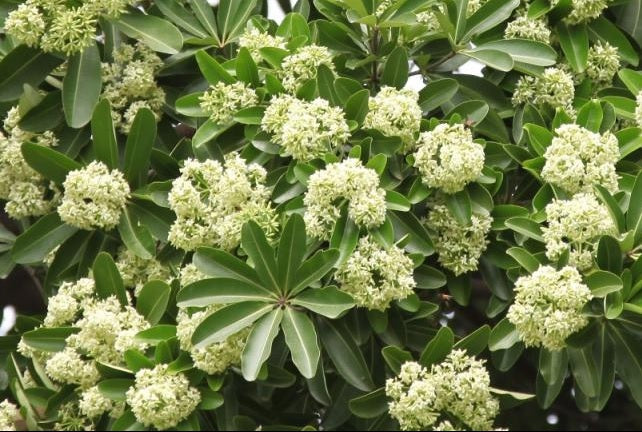
- Botanical name: Alstonia scholaris
- Family: Apocynaceae
- Common names: Devil’s Tree, Blackboard Tree
- Natural habitat: Tropical regions of India, Southeast Asia, and Australia
- Part used: Fresh bark
Materia Medica Significance
Alstonia scholaris is a potent tonic and antimalarial remedy, chiefly acting on the digestive system and overall vitality. It is particularly valuable in cases of chronic diarrhea, malarial debility, anemia, and severe weakness, especially when the patient is exhausted and emaciated.
2.Extraction & Homeopathic Preparation
- Mother tincture (Q): Made by macerating the fresh bark in alcohol and then filtering.
- Potentization: Involves serial dilution and succussion, typically on the C scale.
Safety note: Crude bark is medicinally strong. Homeopathic potencies are highly diluted and used according to pharmacopeial standards.
3.Core Remedy Picture (Keynotes)
Essence:
- Profound weakness and debility
- Marked loss of appetite
- Chronic diarrhea with exhaustion
- Malarial cachexia
Mental- Emotional:
- Mental dullness due to weakness
- Indifference and apathy
- Lack of motivation from exhaustion
Physical Tendencies:
- Chronic loose stools
- Progressive weight loss
- Anemia
- Poor assimilation of food
A) Common Ailments
- General debility after illness
- Loss of appetite with weakness
- Diarrhea with fatigue
- Recovery after fevers
B) Chronic Ailments
- Chronic diarrhea
- Post-malarial weakness
- Anemia with poor digestion
- Chronic wasting disorders
C) Severe Presentations
- Severe malarial cachexia (adjunctive use only; medical care essential)
- Profound dehydration and exhaustion (supportive role only)
- Constitutional Profile – Who Benefits Most?
- Thin, emaciated individuals
- Patients recovering from malaria or prolonged fevers
- Those with poor digestion and assimilation
How it affects them:
Chronic infection and digestive failure lead to wasting and loss of strength.
4.Potencies & Practical Use
| Potency | Pack Size | Practical Clinical Use |
|---|---|---|
| 6C | 100 ml | Chronic diarrhea, malarial debility, anemia |
Repetition:
- Repeat cautiously
- Reduce frequency as strength returns
- Stop once vitality is restored
- Effects in Children & Seniors
Children:
- Chronic diarrhea with weight loss
- Poor appetite, failure to thrive (medical supervision needed)
Seniors:
- Weakness after fevers
- Chronic digestive exhaustion (rule out malignancy or systemic disease)
5. Documented Clinical Use & References
Classical sources (Boericke, Clarke, Hale) describe Alstonia scholaris for:
- Chronic diarrhea
- Malaria-related debility
- Anemia and wasting
Often compared with China officinalis, Arsenicum album, and Ferrum phosphoricum.
6. Key Repertory Rubrics
- Stomach: Poor appetite, weak digestion
- Rectum: Chronic diarrhea
- Generalities: Emaciation, weakness after fever
7. Sample Repertorization Chart
| Rubric | Alstonia Sch | China | Ars alb | Ferr-p |
|---|---|---|---|---|
| Diarrhea – chronic | 3 | 2 | 2 | 1 |
| Weakness after fever | 3 | 3 | 2 | 1 |
| Emaciation | 3 | 2 | 2 | 1 |
| Appetite – poor | 3 | 1 | 1 | 1 |
| Anemia | 2 | 2 | 1 | 3 |
Clinical Insight:
Choose Alstonia scholaris when chronic diarrhea and post-malarial debility with wasting are the dominant features in a case.