
1. Plant Origin & Identity
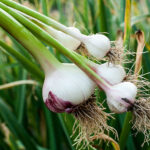
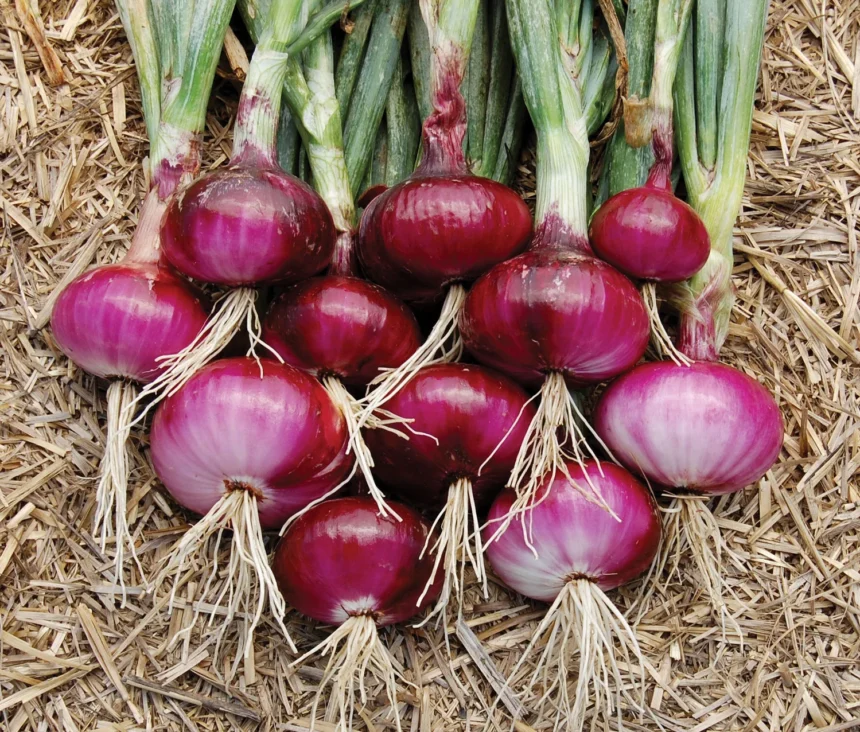
- Botanical name: Allium cepa
- Family: Amaryllidaceae
- Common names: Red Onion, Onion
- Natural habitat: Cultivated worldwide
- Part used: Fresh bulb
Materia Medica Significance
Allium cepa stands out as a primary acute catarrhal remedy, classically indicated for conditions with profuse, watery, and acrid discharges from the nose and eyes. Its clinical picture is sharp and distinctive, making it invaluable in managing colds, allergic rhinitis, and hay fever.
2. Extraction & Homeopathic Preparation
- Mother tincture (Q): Produced by macerating freshly harvested onion bulbs in alcohol, followed by filtration.
- Potentization: Achieved via serial dilution and succussion on the C scale.
Safety Note: While onions are harmless as food, the medicinal effects in homeopathy arise from potentized preparations, not from the crude substance.
3. Core Remedy Picture (Keynotes)
- Essence:
- Profuse, watery nasal discharge
- Discharge is acrid and burning
- Tears are bland (non-irritating)
- Symptoms worsen in warm rooms and improve in open air
- Mental- Emotional:
- Irritability during acute illness
- Restlessness due to discomfort
- Mental clarity; symptoms are predominantly physical
- Physical Tendencies:
- Violent sneezing
- Coryza with sore, raw nose and upper lip
- Headache associated with nasal discharge
- Hoarseness with a tickling cough
4. Clinical Uses in Homeopathy
- A) Common Ailments:
- Acute coryza (common cold)
- Allergic rhinitis / hay fever
- Sneezing with watery discharge
- Head colds with burning, acrid nasal secretions
- Laryngitis with hoarseness
- B) Chronic Ailments:
- Recurrent allergic rhinitis
- Chronic hay fever with seasonal exacerbations
- Frequent colds triggered by weather changes
- C) Extreme/Severe Cases:
- Severe allergic reactions affecting breathing (adjunctive only- seek medical care)
- Persistent sinus inflammation (homeopathy as supportive care)
5. Constitutional Profile: Ideal Candidates
- Individuals sensitive to cold air or weather changes
- Patients whose colds start abruptly
- Typically thin, active people with intense allergic responses
How It Affects Them:
Exposure to allergens or cold initiates rapid, profuse catarrhal inflammation, resulting in abundant watery secretions.
6. Potency & Practical Use
| Potency | Pack Size | Practical Clinical Use |
|---|---|---|
| 6C | 100 ml | Acute coryza, sneezing, early-stage colds |
| 200C | 100 ml | Intense allergic rhinitis, hay fever, severe catarrh |
- Repetition:
- Acute: Repeat at short intervals
- Higher potencies: Dose infrequently
- Discontinue as symptoms improve
7. Use in Children & Seniors
- Children:
- Acute colds with marked sneezing and watery nasal discharge
- School-age allergic rhinitis
- (Safe when properly diluted)
- Seniors:
- Seasonal allergies
- Acute colds with nasal irritation
- (Rule out chronic sinus disease)
8. Clinical Evidence & References
Classical homeopathic authorities- Hahnemann, Kent, Boericke, Clarke- describe Allium cepa for:
- Acrid nasal discharge
- Bland (non-irritating) lacrimation
- Symptoms aggravated indoors, relieved by open air
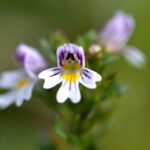
Allium cepa is often compared with Euphrasia, Sabadilla, and Arsenicum album in similar presentations.
9. Key Repertory Rubrics
- Nose: Coryza (watery, acrid), Frequent sneezing
- Eyes: Lachrymation (bland)
- Generalities: Worse in warm rooms, Better in open air
10. Comparative Repertorization Chart
| Rubric | Allium Cepa | Euphrasia | Sabadilla | Ars alb |
|---|---|---|---|---|
| Coryza – watery | 3 | 2 | 2 | 1 |
| Discharge – acrid | 3 | 1 | 2 | 2 |
| Tears – bland | 3 | 1 | 1 | 0 |
| Worse – warm room | 3 | 1 | 2 | 1 |
| Better – open air | 3 | 1 | 2 | 0 |
Clinical Insight:
Select Allium cepa when the leading features are a burning, acrid nasal discharge with bland, non-irritating tears.