
1. Plant Origin & Identity
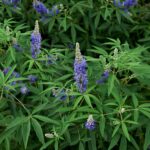
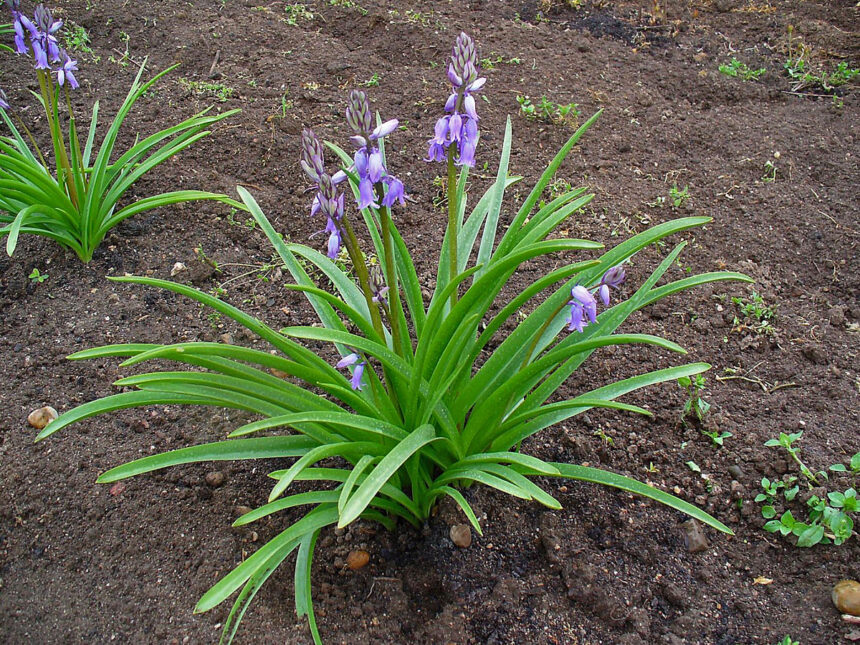
- Botanical name: Agraphis nutans (syn. Hyacinthoides non-scripta)
- Family: Asparagaceae (formerly Liliaceae)
- Common names: Bluebell, Wild Hyacinth
- Natural habitat: Woodlands of Western Europe, especially the UK
- Part used: Fresh bulb
Materia Medica significance:
Agraphis nutans is considered a valuable homeopathic remedy for chronic glandular and ENT (ear, nose, throat) conditions, particularly in children. It is especially indicated for chronic catarrhal states, persistent glandular swelling (adenoids, tonsils), and thick, tenacious mucus, often associated with delayed development or recurrent infections.
2. Extraction & Homeopathic Preparation
- Mother tincture (Q): Prepared by macerating the fresh bulb in alcohol, then filtering.
- Potentization: Achieved through serial dilution and succussion, typically using decimal (X) or centesimal (C) scales.
Safety note: The raw bulb is not used in crude medicinal form. Homeopathic potencies are highly diluted and prepared according to pharmacopeial standards.
3. Core Remedy Picture (Keynotes)
- Essence: Chronic catarrh with thick, sticky mucus; enlarged adenoids/tonsils leading to mouth breathing; glandular congestion linked to delayed physical or mental development.
- Mental- Emotional: Dullness and sluggishness, especially in children; difficulty concentrating; issues are primarily physical rather than emotional.
- Physical tendencies: Nasal obstruction, post-nasal drip, recurrent ear infections, impaired hearing, swollen cervical glands, poor appetite, and weak assimilation.
4. Clinical Uses in Homeopathy
- Common Ailments: Chronic nasal catarrh, enlarged adenoids with mouth breathing, recurrent tonsillitis, glue ear/Eustachian tube blockage.
- Chronic Ailments: Persistent ENT congestion in children, delayed speech or learning due to hearing issues, chronic lymphatic enlargement, recurrent upper respiratory infections.
- Severe Presentations (Adjunctive only): Severe obstructive adenoids affecting breathing or sleep, chronic otitis media with hearing loss (medical assessment may be required).
5. Constitutional Profile – Ideal Candidates
- Children with a lymphatic constitution: pale, sluggish, mouth-breathing, prone to infections with slow recovery, and poor growth or delayed milestones due to chronic illness.
- Pathophysiology: Persistent glandular congestion disrupts breathing, hearing, and normal development.
6. Potency & Practical Use
| Potency | Pack Size | Practical Clinical Use |
|---|---|---|
| 3X | 100 ml | Chronic adenoids, thick catarrh, glandular swelling |
| 200C | 100 ml | Deep-seated ENT conditions, recurrent infections |
- Repetition:
- 3X: May be used for extended periods under guidance
- 200C: Infrequent dosing; observe response before repeating
- Discontinue once clear improvement is established
7. Use in Children & Seniors
- Children:
- Key remedy for adenoids
- Chronic nasal blockage, mouth breathing, recurrent ear infections impacting hearing (medical supervision recommended)
- Seniors:
- Useful for chronic sinus catarrh and glandular swelling with retained mucus (rule out chronic inflammatory or neoplastic disease)
8. Literature & Clinical Documentation
- Classical and clinical homeopathic sources recognize Agraphis nutans for adenoidal and tonsillar hypertrophy, chronic catarrh in children, and delayed development due to ENT obstruction.
- Frequently compared in pediatric practice with Baryta carbonica, Calcarea carbonica, and Tuberculinum.
9. Key Repertory Rubrics
- Nose: Chronic, thick catarrh; nasal obstruction; tough, stringy post-nasal discharge
- Throat: Enlarged tonsils; adenoidal hypertrophy
- Ear: Recurrent otitis media, impaired hearing
- Generalities: Glandular enlargement; delayed development in children
10. Sample Comparative Repertorization Chart
| Rubric | Agraphis Nut | Baryta carb | Calc carb | Tuberc |
|---|---|---|---|---|
| Adenoids – enlarged | 3 | 3 | 2 | 2 |
| Catarrh – thick | 3 | 2 | 2 | 1 |
| Mouth breathing | 3 | 3 | 2 | 2 |
| Recurrent infections | 2 | 2 | 2 | 3 |
| Delayed development | 2 | 3 | 2 | 1 |
Clinical insight:
In practice, Agraphis nutans is especially useful when repeated ENT infections interfere with normal breathing, hearing, and sleep, leading to fatigue and poor concentration in children. The remedy is often considered when conservative measures give only temporary relief and symptoms tend to recur with seasonal changes. Improvement is usually gradual, beginning with reduced nasal blockage and better sleep quality, followed by improved vitality and attention. Careful long-term observation is essential to assess sustained benefit and overall developmental progress.
Select Agraphis nutans when chronic ENT obstruction with glandular enlargement dominates the case, especially in children showing delayed physical or functional development.