
1. Plant Origin & Identity
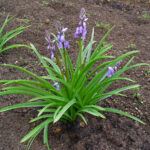
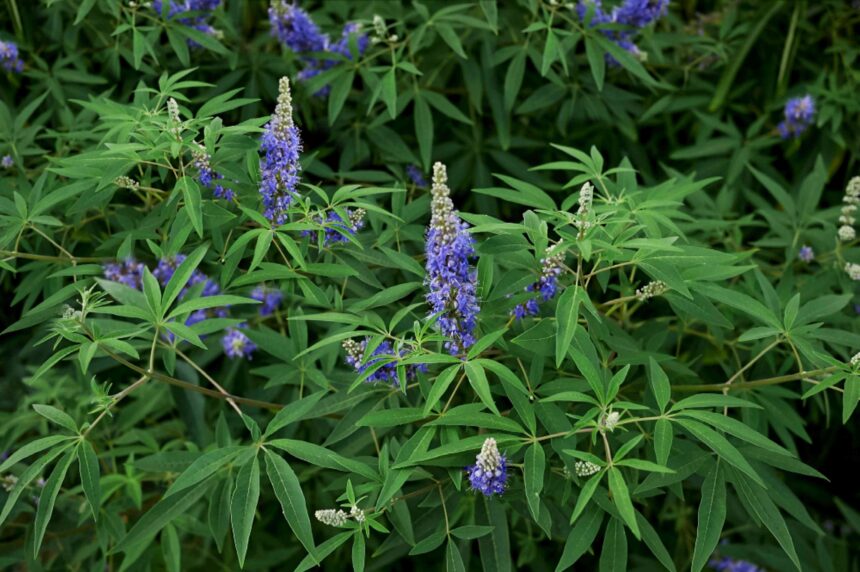
- Botanical name: Vitex agnus-castus
- Family: Lamiaceae (formerly Verbenaceae)
- Common names: Chaste Tree, Monk’s Pepper
- Natural habitat: Mediterranean region, Southern Europe, Western Asia
- Part used: Ripe berries (fruits)
Materia Medica Significance:
Agnus Castus is recognized as a remedy for sexual- endocrine disturbances, traditionally linked to loss of sexual vitality, hormonal imbalance, and depressive mental states- often following excesses or prolonged suppression.
2. Extraction & Homeopathic Preparation
- Mother tincture (Q): Created by macerating ripe berries in alcohol and filtering the solution.
- Potentization: Involves serial dilution and succussion (C scale), resulting in various potencies.
Safety Note:Herbal forms act hormonally. Homeopathic potencies are highly diluted and should be sourced from licensed pharmacies.
3. Core Remedy Picture (Keynotes)
Essence:
- Sexual debility accompanied by mental depression
- Physical and emotional coldness, lack of desire, and unresponsiveness
- Prematurely aged sensation- both mind and body
Mental- Emotional:
- Deep despondency and hopelessness
- Low self-confidence, fear of failure
- Dullness and poor concentration
Physical Tendencies:
- Impotence, premature ejaculation
- Suppressed libido
- Coldness or atrophy of genital organs
- Prostatic concerns in men
- Scanty or suppressed menstruation in women
4. Uses in Homeopathy
A. Common Ailments
- Sexual debility after excesses
- Reduced libido with depression
- Weak erections, premature ejaculation
- General weakness due to hormonal imbalance
B. Chronic Ailments
- Persistent impotence
- Chronic prostatitis with sexual debility
- Menstrual irregularities with loss of vitality
- Depression linked to endocrine dysfunction
C. Severe Presentations
Adjunctive only: Medical care is essential.
- Complete sexual exhaustion
- Severe depression related to hormonal collapse
- Advanced prostatic disorders (supportive use)
5. Constitutional Profile – Who Benefits Most?
- Individuals with sexual exhaustion and mental despair
- Often men with a history of sexual overindulgence or long suppression
- Thin, weak, prematurely aged patients
- Symptoms aggravated by stress and mental strain
Effect:
Hormonal and sexual decline leads to loss of confidence, depression, and physical debility.
6. Potencies & Practical Use
| Potency | Pack Size | Practical Clinical Use |
|---|---|---|
| 6C | 100 ml | Early sexual weakness, mild hormonal imbalance |
| 200C | 100 ml | Marked sexual debility with depression |
| 1M | 60 ml | Deep constitutional cases, long-standing impotence |
Repetition:
- Lower potencies: may be repeated with caution
- Higher potencies: dose infrequently and observe response
- Cease dosing upon sustained improvement
7. Use in Children & Seniors
Children:
- Rarely indicated
- Occasionally for delayed puberty with significant debility (under expert supervision)
Seniors:
- Sexual weakness with prostatic symptoms
- Depression related to hormonal decline
Always rule out systemic illness first.
8. Documented Clinical Use & Literature
Classical materia medica (Hering, Clarke, Boericke) document:
- Loss of sexual desire and potency
- Mental depression with sexual weakness
- Coldness of the genital organs
Often compared with Selenium, Caladium, and Lycopodium.
9. Key Repertory Rubrics (Practical)
Mind:
- Despair, hopelessness
- Sadness linked to sexual weakness
- Mental dullness
Male Genitalia:
- Impotence
- Reduced sexual desire
- Premature ejaculation
Female Genitalia:
- Suppressed or scanty menses
- Sexual indifference
Generalities:
- Weakness, exhaustion
- Premature aging sensations
10. Sample Repertorization Chart (Teaching Example)
| Rubric | Agnus Castus | Selenium | Caladium | Lycopodium |
|---|---|---|---|---|
| Sexual desire – diminished | 3 | 3 | 3 | 2 |
| Impotence | 3 | 2 | 3 | 2 |
| Mind – Despair | 3 | 1 | 1 | 2 |
| Genitals – coldness | 3 | 1 | 2 | 1 |
| Weakness – general | 2 | 2 | 1 | 2 |
Clinical Insight:
Select Agnus Castus when sexual weakness is accompanied by mental despondency and pronounced loss of vitality.
In clinical practice, Agnus Castus is especially valuable when sexual weakness is accompanied by a deep sense of failure or premature aging. Patients may describe feeling older than their years, both physically and mentally. Unlike remedies with anxiety or irritability, Agnus Castus presents with quiet despair, indifference, and loss of motivation. Improvement is often first noticed in mental outlook, followed gradually by restoration of vitality and sexual function. Careful observation of emotional recovery helps confirm correct remedy selection.
Long-term follow-up helps assess sustained constitutional improvement.