
1. Botanical Origin & Identity
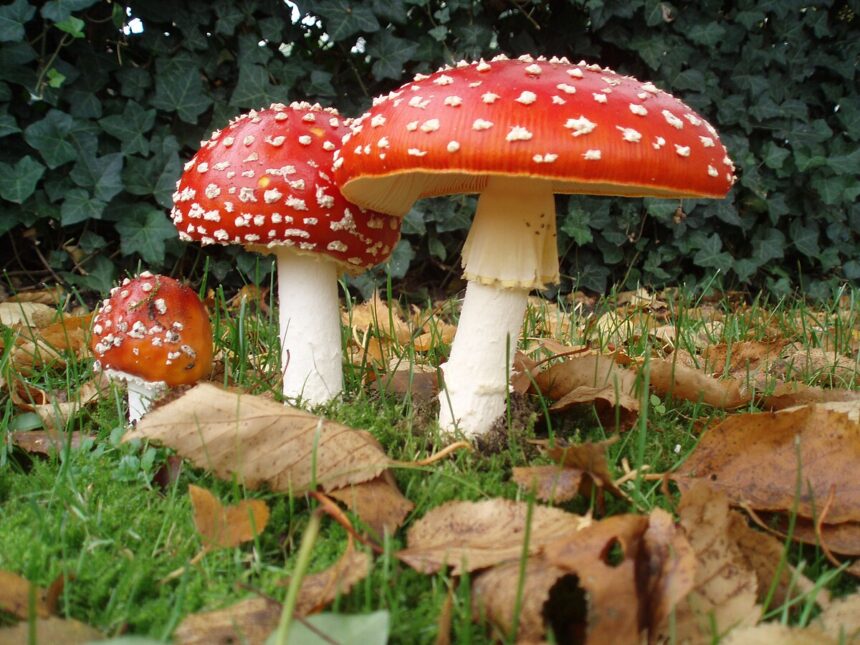
- Botanical name: Agaricus muscarius
- Kingdom: Fungi
- Common names: Fly Agaric
- Habitat: Northern hemisphere; found in coniferous and birch forests
- Part used: Fresh mushroom (entire fruiting body)
Materia Medica Significance:
Agaricus muscarius is primarily a remedy for the nervous system, especially where there are involuntary movements (twitching, jerking, chorea, tremors) and abnormal sensations. Mental symptoms often include excitement or confusion.
2. Extraction & Preparation
- Mother tincture (Q): Made by macerating fresh mushrooms in alcohol, then filtering.
- Potentization: Serial dilution and succussion (C or X/D scales) to produce homeopathic strengths.
Safety Note:
The raw mushroom is toxic and hallucinogenic. Only use homeopathically prepared, highly diluted remedies from licensed sources.
3. Core Remedy Picture (Keynotes)
Essence:
- Involuntary movements: twitching, jerking, chorea
- Neurological hyperactivity
- Abnormal sensations: coldness, prickling, crawling
Mental–Emotional:
- Alternating excitement and dullness
- Confusion, delirium-like states
- Silly laughter, talkativeness, lack of coordination
Physical Tendencies:
- Tremors, spasms, tics
- Chorea-like movements
- Burning, itching skin
- Prone to chilblains and frostbite
4. Homeopathic Uses
A. Common (Acute/Subacute) Ailments:
- Nervous twitching, muscle jerks
- Tics, facial spasms
- Acute itching or burning skin eruptions
- Chilblains with burning and itching
B. Chronic Conditions:
- Chorea (especially in children)
- Supportive in Parkinsonian tremors
- Chronic nervous exhaustion with twitching
- Long-standing skin itching with neurological sensitivity
C. Severe Presentations (Adjunctive):
- Severe chorea with exhaustion
- Advanced neurological disorders
- Note: Homeopathy is supportive; not a substitute for medical care
5. Constitutional Profile: Who Benefits Most?
- Thin, nervous, restless people
- Children with involuntary movements or poor coordination
- Patients sensitive to cold and touch
- Nervous systems that overreact to stimuli
Effect:Irregular nervous system discharge- twitching, tremors, abnormal sensations, erratic behavior.
6. Potencies & Practical UsePotency
| Remedy | Potency | Typical Clinical Use | Pack Size |
|---|---|---|---|
| Agaricus M | 30C | Chorea, tics, nervous excitement, involuntary movements | 100 ml |
| Agaricus M | 200C | Marked neurological symptoms, severe twitching | 100 ml |
| Agaricus M | 1M | Deep constitutional cases, chronic nervous disorders (expert use) | 60 ml |
Repetition:
- Acute: Short intervals
- Chronic: Infrequent dosing, observe response
- Stop once sustained improvement occurs
Prescribing note:
Lower potencies are generally preferred for milder cases, while higher potencies (200C, 1M) are reserved for intense or constitutional presentations under professional supervision.
7. Use in Children & Seniors
Children:
- Key remedy for chorea
- Tics, restlessness, clumsiness
- Medical evaluation recommended
Seniors:
- Tremors, nervous weakness
- Chilblains, cold sensitivity
- Rule out neurodegenerative disease
8. Clinical Use & Literature
Classical homeopathic sources (Hering, Clarke, Boericke) highlight:
- Chorea and involuntary movements
- Twitching and tremors
- Skin itching due to nervous causes
Often compared with Tarentula, Hyoscyamus, and Cuprum.
9. Key Repertory Rubrics
Mind:
- Excitement alternating with dullness
- Confusion, delirium
- Involuntary laughter
Nervous System:
- Chorea
- Muscle twitching/jerking
- Tremors
Skin:
- Itching, burning
- Chilblains
Generalities:
- Worse from cold
- Sometimes better from motion
10. Comparative Repertorization (Teaching Example)
| Rubric | Agaricus | Tarentula | Cuprum | Hyos |
|---|---|---|---|---|
| Chorea | 3 | 2 | 2 | 1 |
| Twitching, muscles | 3 | 2 | 3 | 2 |
| Nervous excitement | 3 | 3 | 2 | 3 |
| Skin – itching | 3 | 1 | 1 | 1 |
| Worse from cold | 3 | 1 | 2 | 1 |
Clinical Differentiation & Prescribing Notes
Agaricus M is best indicated when involuntary muscular activity is the most striking feature of the case. Twitching, jerking, or choreic movements are often irregular and worsen with excitement, cold exposure, or mental strain. Unlike remedies dominated by emotional excess, Agaricus M presents more with neurological instability than strong emotional disturbance. Sensations such as crawling, prickling, or burning may accompany motor symptoms and help confirm remedy selection. Accurate prescribing depends on observing the coordination between nervous irritability, abnormal sensations, and sensitivity to cold rather than relying on mental symptoms alone.
In long-standing cases, improvement often begins with reduced twitching, followed by better coordination and overall nervous stability.
Careful long-term observation helps confirm remedy action in chronic neurological cases.