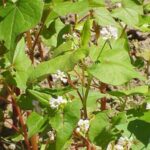


1. Plant Origin & Identity
- Botanical Name: Aethusa cynapium
- Family: Apiaceae (Umbelliferae)
- Common Names: Fool’s Parsley
- Habitat: Native to Europe and Western Asia; commonly found wild in fields, gardens, and disturbed soils.
- Part Used: Entire fresh plant, harvested before flowering.
Materia Medica Significance:
Aethusa cynapium is a classic homeopathic remedy, noted especially in pediatric and digestive cases. It is most strongly associated with violent vomiting, milk intolerance, and profound prostration, particularly in infants and frail individuals.
2. Extraction & Preparation
- Mother Tincture (Q): Prepared by macerating the fresh plant in alcohol and filtering.
- Potentization: Homeopathic potencies (C or X/D scales) are obtained through serial dilution and succussion.
Safety Note:
The raw plant is toxic and closely resembles edible parsley. Homeopathic preparations are highly diluted and safe when produced by qualified pharmacies.
3. Core Remedy Picture (Keynotes)
- Essence:
- Intense, sudden vomiting- especially after milk
- Sudden exhaustion, collapse, and marked weakness
- Strong intolerance to milk and often other foods
- Mental- Emotional:
- Anxiety, restlessness, and confusion
- Children may be irritable, fearful, or scream inconsolably
- Stupor or dullness, especially after vomiting
- Physical Characteristics:
- Projectile vomiting post-feeding
- Diarrhea with green, watery stools
- Cold sweat, pallor, signs of dehydration
4. Uses in Homeopathy
- A. Acute Indications:
- Infantile vomiting immediately after milk
- Acute gastroenteritis with collapse
- Summer diarrhea in children
- Acute food poisoning symptoms
- B. Chronic Indications:
- Chronic digestive weakness with milk intolerance
- Failure to thrive in infants (as an adjunct)
- Recurrent episodes of vomiting
- C. Severe Presentations:
- Severe dehydration in infants (adjunct only; urgent medical attention required)
- Cholera-like gastroenteritis
- Sudden collapse after vomiting
5. Constitutional Profile – Typical Patient
- Infants and young children with weak digestion
- Thin, pale, exhausted individuals with low vitality
- People whose symptoms worsen after food, especially milk
How It Affects Them:The digestive tract reacts violently, causing rapid exhaustion and risk of collapse.
6. Potencies & Practical Use
6C / 6X is commonly used in acute digestive disturbances, especially in infants and children. It is indicated for vomiting of milk, food intolerance, and early gastrointestinal upset where symptoms are not yet extreme. This potency acts gently and is often preferred for frequent repetition in short intervals under supervision. Dosing should be stopped as soon as clear improvement appears.
7. Use in Children & Seniors
- Children:
- Essential remedy for infants with vomiting of milk, green stools, dehydration (medical supervision crucial)
- Seniors:
- Acute food intolerance or poisoning
- Severe vomiting with marked weakness (serious GI issues must be ruled out)
8. Documented Clinical Use & Literature
Classical materia medica (Hering, Clarke, Boericke) highlight:
- Milk intolerance
- Violent vomiting with collapse
- Infantile gastroenteritis
Often compared with Antimonium crudum and Arsenicum album.
9. Key Repertory Rubrics (Practice Focus)
- Stomach:
- Vomiting- milk, immediately after
- Vomiting- violent, projectile
- Intolerance of milk
- Rectum:
- Diarrhea -green, watery
- Diarrhea with prostration
- General:
- Weakness- sudden
- Collapse after vomiting
- Cold sweat with exhaustion
10. Sample Repertorization Chart (Teaching Example)
| Rubric | Aethusa Cyn | Ant-crud | Ars-alb | Podoph |
|---|---|---|---|---|
| Vomiting – milk | 3 | 2 | 1 | 0 |
| Vomiting – violent | 3 | 1 | 2 | 1 |
| Prostration | 3 | 1 | 2 | 1 |
| Diarrhea – green | 3 | 1 | 1 | 2 |
| Collapse | 3 | 0 | 2 | 0 |
Clinical Differentiation & Prescribing Notes
Aethusa Cyn is distinguished from other digestive remedies by the marked intolerance of milk combined with rapid exhaustion. Unlike remedies where vomiting brings relief, Aethusa patients become progressively weaker after each episode. The face may appear pale or collapsed, and recovery is slow without intervention. This remedy is especially valuable when digestive symptoms dominate the case picture and mental symptoms are secondary. Accurate prescribing depends on identifying the characteristic sequence of feeding followed by vomiting and prostration.
Careful monitoring of hydration and nutrition is essential in all pediatric cases using this remedy.