

1. Plant Origin & Identity
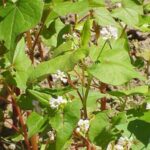
- Botanical name: Actea racemosa (syn. Cimicifuga racemosa)
- Family: Ranunculaceae
- Common names: Black Cohosh, Snakeroot, Bugbane
- Natural habitat: Woodlands of Eastern North America
- Part used: Fresh root (main source in homeopathic pharmacy)
Significance in Materia Medica:
Actea racemosa is recognized as a remedy with pronounced effects on the female reproductive and nervous- muscular systems. It is especially indicated for conditions involving uterine, ovarian, rheumatic, and neuro-emotional disturbances- typically where pain is shifting, spasmodic, and worsened by emotional triggers.
2. Extraction & Homeopathic Preparation
- Mother tincture (Q): Produced by macerating fresh root in alcohol and filtering.
- Potentization: Involves serial dilution and succussion, using C or X/D scales, to create various potencies.
- Safety Note: Toxicity is only a concern with large herbal doses- not with homeopathic potencies. Always use remedies prepared by a licensed pharmacy.
3. Core Remedy Picture (Keynotes)
- Essence:
- Marked nervousness, hysteria, heightened sensitivity
- Spasmodic, shifting pains (muscles, uterus, joints)
- Symptoms aggravated by emotions
- Mental–Emotional:
- Depression with fears of insanity or death
- Talkativeness and rapid mood changes
- Anxiety, gloom, and nervous excitement
- Physical Symptoms:
- Uterine cramps, labor-like pains
- Rheumatic pains (especially neck, shoulders, back) that shift location
- Jerking/tremors resembling chorea
4. Therapeutic Uses in Homeopathy
A. Common (Acute/Subacute) Conditions
- Menstrual cramps with bearing-down sensation
- PMS with emotional instability
- Acute muscular rheumatism (neck, back)
- Headaches from emotional stress or mental strain
B. Chronic Conditions
- Dysmenorrhea, irregular/suppressed menses
- Menopausal symptoms (hot flashes, depression)
- Chronic rheumatism with neuralgic pains
- Chronic anxiety with muscle tension
C. Severe Presentations (Adjunctive Only; Medical Supervision Required)
- Threatened miscarriage with uterine pain
- Severe postpartum uterine pain
- Intense chorea or neuromuscular spasms
5. Constitutional Profile-Who Benefits Most?
- Sensitive, intellectually active, emotionally reactive individuals
- Predominantly women with suppressed emotions
- Pain worsened by fear, grief, or mental exertion
- Muscular and uterine complaints predominate
6. Potency Selection & Use Guidelines
| Potency | Typical Use Pattern |
|---|---|
| 6C / 12C | Muscular pains, mild uterine symptoms |
| 30C | PMS, dysmenorrhea, emotional–physical link |
| 200C | Strong mental symptoms, menopause, chronic cases |
| 1M+ | Deep constitutional use (expert supervision) |
7. Use in Children & Seniors
- Children:
- Chorea, nervous tics
- Menstrual distress at puberty (with supervision)
- Seniors:
- Menopausal depression
- Rheumatic stiffness with emotional overlay
- (Always rule out structural disease)
8. Clinical Evidence & Literature
- Classical sources (Hering, Clarke, Kent) describe Actea racemosa for:
- Uterine neuralgia
- Rheumatism with mental symptoms
- Fears of insanity/death
- Modern reviews confirm frequent use for menstrual and menopausal complaints.
9. Practical Key Repertory Rubrics
- Mind:
- Fear of insanity
- Fear of death
- Depression with nervous excitement
- Talkativeness, alternating moods
- Generalities:
- Wandering, spasmodic muscular pains
- Symptoms aggravated by emotional excitement
- Female Genitalia:
- Painful, cramping menses
- Bearing-down uterine pains
- Labor-like pains before/during menses
- Extremities:
- Rheumatism (neck, shoulders)
- Stiffness with neuralgia
10. Sample Comparative Repertorization (Teaching Example)
| Rubric | Actea Rac | Sepia | Puls | Caul |
|---|---|---|---|---|
| Mind – Fear of insanity | 3 | 1 | 1 | 0 |
| Mind – Emotional aggravation | 3 | 2 | 2 | 1 |
| Female – Menses painful | 3 | 2 | 2 | 3 |
| Pains – Wandering | 3 | 1 | 3 | 1 |
| Extremities – Rheumatic pain | 2 | 1 | 1 | 2 |
Clinical insight:
Select Actea racemosa when uterine or muscular pain is closely tied to emotional disturbance.
11. Clinical Differentiation & Prescribing Notes
Actea racemosa should be considered when physical complaints clearly worsen with emotional stress, mental exertion, or suppressed feelings. Unlike remedies where symptoms are purely physical, Actea Rac shows a strong mind–body connection, with nervous tension directly expressing itself through uterine or muscular pain. The remedy is especially valuable when pains are shifting, spasmodic, or neuralgic in nature and are accompanied by anxiety, depression, or fear-related thoughts.
In clinical practice, Actea Rac is often selected when emotional instability and physical suffering progress together. Improvement in mental calmness frequently parallels relief in physical symptoms, confirming remedy action. Careful observation of emotional triggers is essential for accurate prescribing.