

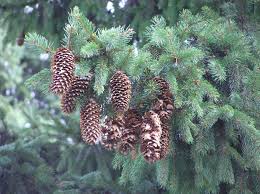
1. Plant Origin (Source & Identity)
- Common Name (Homeopathic Literature): Abies Nigra is a homeopathic medicine prepared from Black Spruce and is chiefly used for dyspepsia with a peculiar lump or egg-like sensation at the stomach.
- Habitat: Native to northern North America- especially Canada and the northern US.
- Botanical Equivalence in References/Labels: Picea mariana (also seen as Picea nigra)
2. Extraction & Preparation (Homeopathic Methodology)
- Part Used: Primarily the gum or resin of the tree.
- Preparation: Classical homeopathic texts describe a tincture made by dissolving the gum in alcohol. The Homoeopathic Pharmacopoeia of India (HPI) specifies a mother tincture (Ø/Q) at 1/10 drug strength in strong alcohol.
3) Core Sphere of Action
- Primary Focus: Digestive system- especially upper stomach and esophagus.
- Keynote Sensation: Distinct feeling “as if a hard-boiled egg (or hard lump) were lodged” at the cardiac end of the stomach/lower esophagus.
- Other Features: Post-meal (postprandial) pain, sluggish digestion, constipation, especially in older adults.
1. Key Repertory Rubrics for Abies nigra
(Rubrics are in Kent/Synthesis style for quick repertorization)
Stomach
- Sensation of a lump
- Sensation as if a hard-boiled egg were lodged
- Pain after eating
- Distension after meals
- Heartburn
- Dyspepsia in old people
Esophagus
- Sensation of a foreign body
- Burning after eating
Appetite
- Loss of appetite in the morning
- Increased appetite at night
Rectum / Stool
- Constipation
- Stool difficult, insufficient
Sleep
- Sleeplessness from hunger
Generalities
- Complaints in old people
- Weak digestion
Keynote Rubric:
Sensation as if a hard-boiled egg were lodged at the cardiac end of the stomach.
2. Comparative Remedies (Differentiation)
When the case presents with gastric distress and a sensation of a lump, compare Abies nigra carefully with these remedies:
Abies nigra vs Nux vomicaPointAbies nigraNux vomicaLump sensationVery marked, peculiar, fixedRare or absentAge groupElderly, weak digestionAny ageCauseAtonic stomachOver-stimulation, excessMental stateDull, sluggishIrritable, angryAppetiteNo appetite in morning, craving laterAppetite but unsatisfiedChoose Abies nigra when the peculiar stomach sensation dominates, not irritability.
Abies nigra vs China officinalisPointAbies nigraChinaLump feelingCardiac end of stomachUnder sternumDistensionAfter eatingFrom loss of fluidsWeaknessDigestive weaknessProfound debilityFlatulencePresentExtremeChoose Abies nigra when lump + post-meal distress is primary, not fluid loss.
Abies nigra vs PulsatillaPointAbies nigraPulsatillaSensationHard lump / eggFood lies like a stoneThirstNot characteristicThirstlessTemperamentSluggish, agedMild, emotionalBetter byOften restOpen airChoose Abies nigra when the sensation is localized and strange, not emotional.
Abies nigra vs BryoniaPointAbies nigraBryoniaGastric painAfter eatingAfter slightest motionStoolConstipation from atonyConstipation, dryNatureFunctional dyspepsiaInflammatory drynessChoose Abies nigra when digestive atony is dominant.
3. Clinical Decision Tips for Abies nigra
When to Choose Abies nigra:
- Very peculiar sensation: “Something hard, like a lump or egg, stuck at the pit of the stomach”
- Pain and distress immediately after eating
- Marked gastric fullness and pressure
- Constipation with weak digestion
- No appetite in the morning, but hunger or craving later (noon/night)
- Sleeplessness from hunger
- Patient is often elderly, sedentary, or with long-standing indigestion
When Not to Choose Abies nigra:
- Strong mental irritability dominates – consider Nux vomica
- Symptoms follow loss of fluids or hemorrhage – consider China
- Gastric complaints are emotional and changeable – consider Pulsatilla
- Inflammatory, stitching pains worse from motion – consider Bryonia
This version streamlines the language, emphasizes clear clinical decision points, and improves formatting for easier reference.
4. Uses in Homeopathy
- A. Common Ailments:
- Indigestion, functional dyspepsia: heaviness/fullness after eating, sour belching, heartburn, lump sensation.
- GERD-like symptoms, especially with the “egg/lump” keynote.
- Dyspepsia linked to excess tea or tobacco.
- B. Chronic Patterns:
- Chronic dyspepsia in the elderly or sedentary, with constipation and post-meal discomfort.
- Functional heart symptoms (palpitations from gastric issues)-always medically exclude cardiac disease.
- C. Extreme/High-Risk Situations:
- Case reports mention severe reflux, Barrett’s esophagus, and even rectal bleeding/cancer-these require specialist medical care, not self-treatment.
5. Constitutional Portrait (Homeopathic Type Most Affected)
- Typically described for older individuals with sluggish digestion.
- Symptoms worsened by overeating, tea, or tobacco.
- Classic pattern: lack of appetite in the morning, with increased craving later in the day.
6. Potency and Practical Usage
- Mother Tincture (Q/Ø): Used for pronounced gastric atony and sluggishness—local, functional cases.
- Low Potencies (6C/6X/12C): For mainly physical symptoms and repeated dosing.
- 30C: Common for cases with clear keynote symptoms.
- 200C and Higher: Reserved for distinct constitutional patterns-clinician supervision advised.
7) Effects/Considerations in Kids and Seniors
- Kids:
- Used mainly for digestive distress patterns in homeopathic texts.
- Persistent or severe symptoms (vomiting, dehydration, pain, blood in stool, etc.) require prompt medical attention.
- Seniors:
- Frequently cited for “dyspepsia of the aged.”
- High vigilance for medication interactions, GI bleeding, and cardiac risk; red-flag screening is essential.
8. Documented Clinical Applications (with References)
- Case Report (Functional Dyspepsia): Abies nigra included among remedies for a case with epigastric pain after oily foods, early satiety, heaviness, and heartburn.
- Barrett’s Esophagus Case: Published paper discusses Abies nigra 30 in a Barrett’s esophagus setting—again, specialist care required.
9. Key Repertory Rubrics (High-Yield for Selection)
- Stomach: Sensation of a lump/hard-boiled egg at cardiac end/lower esophagus
- Stomach: Pain after eating
- Stomach: Dyspepsia in aged persons
- Stomach: Heartburn, sour eructations, reflux (with keynote)
- Rectum: Constipation with digestive sluggishness
- Sleep: Wakeful at night, hunger/craving
10. Comparative Remedies (Main Differentials)
| Point | Abies nigra | Nux vomica |
|---|---|---|
| Lump sensation | Very marked, peculiar, fixed | Rare or absent |
| Age group | Elderly, weak digestion | Any age |
| Cause | Atonic stomach | Over-stimulation, excess |
| Mental state | Often dull, sluggish | Irritable, angry |
| Appetite | No appetite morning, craving later | Appetite but unsatisfied |
| Point | Abies nigra | China |
|---|---|---|
| Lump feeling | At cardiac end of stomach | Under sternum |
| Distension | After eating | From loss of fluids |
| Weakness | Digestive weakness | Profound debility |
| Flatulence | Present | Extreme |
| Point | Abies nigra | Pulsatilla |
|---|---|---|
| Sensation | Hard lump / egg | Food lies like a stone |
| Thirst | Not characteristic | Thirstless |
| Temperament | Sluggish, aged | Mild, emotional |
| Better by | Often rest | Open air |
| Point | Abies nigra | Bryonia |
|---|---|---|
| Gastric pain | After eating | After slightest motion |
| Stool | Constipation from atony | Constipation, dry |
| Nature | Functional dyspepsia | Inflammatory dryness |
11. Clinical Decision Tips
- Prefer Abies nigra when:
- The “egg/lump at cardiac end” feeling is prominent and unusual.
- Symptoms worsen after eating, with fullness, low morning appetite, increased late cravings, and constipation/sluggish bowels.
12. Sample Repertorization Chart (Demonstration)
RubricAbies nigraNux vomicaPulsatillaChinaStomach: Lump/hard body lodged3112Stomach: Pain after eating2321Stomach: Heartburn/sour eructations2221Rectum: Constipation (with digestive symptoms)2311Generals: Appetite- morning poor, later craving2111Sleep: Wakeful at night, hunger/craving1100Total (illustrative only)121176
Interpretation: Abies nigra stands out due to the highly characteristic “egg/lump” symptom. In real cases, additional details (modalities, mental/emotional state, causation, etc.) further guide remedy choice.