
1. Plant Origin and Source
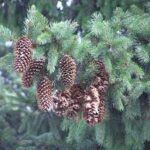
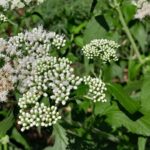
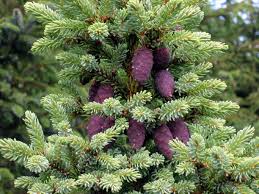
- Abies canadensis is commonly known in homeopathic literature as Pinus canadensis, Hemlock Spruce, Hemlock tree, or Canada pitch, and belongs to the Coniferae family.
- Note: Botanically, the term “hemlock” usually refers to Tsuga canadensis. Many homeopathic sources explicitly equate Abies canadensis with Tsuga canadensis.
2. Preparation for Homeopathic Use
- The classic homeopathic method uses a tincture prepared from the fresh bark and young buds.
- The mother tincture (Q/Ø) is created by macerating or percolating the fresh plant material in alcohol, following standard pharmacopoeial guidelines.
- This tincture is then potentized into various dilutions (e.g., 6C, 30C, 200C, LM) as per homeopathic tradition.
3. Core Sphere of Action (Traditional Indications)
- Digestive and mucous membrane complaints are most prominent, especially catarrhal gastric states and symptoms linked to overeating with weak digestion.
- Key guiding symptoms include:
- Excessive appetite or “canine” hunger; tendency to overeat
- Gnawing, faint, or empty feeling at the epigastrium
- Gastric burning, bloating/distension, palpitations after eating
- Peculiar cravings, notably for pickles or meat
- In some cases: Uterine displacement in women, with debility and poor nutrition
4. Typical Acute/“Common” Ailments Addressed
- Indigestion after dietary indiscretion or overeating
- Gastric burning, bloating, and flatulence- sometimes affecting the heart (palpitations after meals)
- Worsening of symptoms after certain foods or drinks
5. Chronic Pattern-Based Use
- Chronic dyspepsia with ravenous appetite but poor digestion and recurring fullness/bloating
- Recurrent gastric catarrh and a general “mucous membrane” tendency
- Uterine displacement with constitutional debility (when the overall symptom picture fits)
6. Serious/Acutely Dangerous Symptoms (Safety Guidance)
- Homeopathy should never delay urgent medical care. Immediate evaluation is needed for:
- Chest pain, severe palpitations, fainting
- Vomiting blood or passing black stools
- Severe dehydration, ongoing vomiting
- Severe abdominal pain or suspected appendicitis
- Some homeopathic literature mentions such serious signs, but these always require emergency medical assessment.
7. Constitutional Picture (Traditional Homeopathic Fit)
- Individuals with great appetite but weak digestion, easy bloating, and heaviness after eating
- Marked debility, tendency to lie down, and sometimes cold/clammy states
- Women with uterine displacement linked to poor nutrition and weakness
- The remedy is typically considered for those who are nutritionally run-down, digestively inefficient, yet experience intense hunger and worsening symptoms post-meal.
8. Commonly Used Potencies
- Mother tincture (Q): Used when symptoms are strongly gastric or catarrhal and predominantly physical
- 6C / 30C: Preferred for acute episodes (bloating, burning, palpitations) when symptoms clearly match
- 200C, LM, or higher: Sometimes chosen for more constitutional (whole-person) prescribing
- Commercial potencies often available as 6C, 30C, 200C, 1M, and others
9. Practical Safety Notes: Children and Seniors
- Children:
- Avoid self-prescribing for infants/young children, especially with persistent vomiting, dehydration, fever, or severe pain
- The mother tincture contains alcohol; dosing should be clinician-guided
- Seniors:
- Seniors may have other health issues or medications; new indigestion, weight loss, anemia, black stools, or persistent vomiting require medical evaluation
- Palpitations should always prompt cardiac assessment
- Commercial products carry general cautions; clinical supervision is best
10. References and Case Applications
- Detailed indexed case reports for Abies canadensis are less common than for major remedies, but core homeopathic texts (Clarke, Boericke, Vithoulkas) document its clinical scope:
- Clarke: Indigestion, liver disorder, uterine displacement, with notes on remedy identity and preparation
- Boericke/Vithoulkas: Gastric catarrh, cravings, distension, palpitations after eating, uterine displacement with debility
- Kent’s repertory: Rubrics like increased appetite, overeating, distension, burning, and palpitations after eating support its inclusion
Key Repertory Rubrics for Abies canadensis
Contents
1. Plant Origin and Source2. Preparation for Homeopathic Use3. Core Sphere of Action (Traditional Indications)4. Typical Acute/“Common” Ailments Addressed5. Chronic Pattern-Based Use6. Serious/Acutely Dangerous Symptoms (Safety Guidance)7. Constitutional Picture (Traditional Homeopathic Fit)8. Commonly Used Potencies9. Practical Safety Notes: Children and Seniors10. References and Case ApplicationsMind / GeneralStomachAbdomenHeartFemaleGeneral ModalitiesComparative Remedies (Differential Diagnosis)Clinical Decision GuidelinesPrescribing Pearls
These are high-value Kent/Boericke-style rubrics where Abies canadensis consistently stands out and becomes decisive for remedy selection.
Mind / General
- Weakness from poor nutrition
- Desire to lie down due to debility
- Faintness from gastric disturbance
- Restlessness after eating
Stomach
- Increased appetite / ravenous hunger
- Hunger returns soon after eating
- Inability to control appetite; tendency to overeat
- Burning sensation in the stomach
- Gnawing, empty feeling in the epigastrium
- Stomach distension after eating
- Indigestion from rich food or overeating
- Cravings: pickles, salty foods, meat
- Food feels heavy; slow digestion
Abdomen
- Flatulence after meals
- Abdominal distension with accompanying weakness
Heart
- Palpitations following meals
- Cardiac irritation secondary to gastric issues
Female
- Uterine displacement with debility
- Uterine complaints due to poor nutrition
General Modalities
- Worse after eating
- Worse from overeating
- Better from rest or lying down
Abies canadensis Signature
Ravenous appetite + weak digestion + post-meal distress + nutritional debility
Comparative Remedies (Differential Diagnosis)
| Remedy | Key Difference from Abies canadensis |
|---|---|
| Nux vomica | Irritable, ambitious, chilly; digestive trouble from stress, stimulants; not weak, more over-driven |
| Lycopodium | 4–8 pm aggravation; small appetite but early satiety; right-sided; bloating dominates more than hunger |
| Carbo vegetabilis | Extreme weakness + coldness; wants air/fanning; collapse states rather than overeating |
| Pulsatilla | No thirst; mild, emotional; symptoms changeable; appetite not canine |
| China (Cinchona) | Flatulence + weakness after fluid loss (diarrhea, bleeding), not overeating |
| Calcarea carbonica | Slow metabolism, chilly, sweat on head; appetite irregular but not ravenous |
| Abies nigra | Sense of lump / splinter in throat or epigastrium, more cardiac anxiety |
Quick Memory Tips
- Hunger dominant – Think Abies canadensis
- Bloating dominant – Think Lycopodium or Carbo veg.
- Irritability dominant – Think Nux vomica
Clinical Decision Guidelines
Choose Abies canadensis only when all three levels match:
Level 1 – Digestive Core (Must be present):
- Very strong or ravenous appetite
- Patient continues to overeat despite knowing it worsens symptoms
- Burning and distension after meals
- Food feels heavy, but hunger comes back quickly
- (If appetite is low, do not choose Abies canadensis)
Level 2 – Systemic Reaction:
- Weakness and faintness after eating
- Palpitations after meals
- Desire to lie down
- Digestive trouble affecting the heart and general vitality
- (The classic pattern: stomach – heart – weakness)
Level 3 – Constitution / Background:
- Longstanding poor nutrition
- Chronic indigestion history
- Women with uterine displacement and debility
- Seniors with indigestion but good appetite
Prescribing Pearls
- Think Abies canadensis when:
“The patient eats as if starving, but their digestion is too weak to handle it.”
- Do NOT prescribe Abies canadensis when:
- Appetite is absent
- Symptoms are primarily emotional
- Flatulence exists without increased hunger
- Potency Guidelines:
- 6C / 30C – For functional gastric complaints
- 200C and above – For constitutional patterns (recurrent hunger + debility)